
Dunkeld Larch
Larix x marschlinsi Coaz
Description
Growing requirements
The Dunkeld Larch (Larix x marschlinsii) is a notable hybrid between European larch (Larix decidua) and Japanese larch (Larix kaempferi), classified under the Pinaceae family. It is highly valued in silviculture for its exceptional hybrid vigor and rapid growth rate, often outperforming its parent species in timber yield.
This species thrives in well-drained, fertile soils that provide adequate moisture without waterlogging. It is inherently photophilous, requiring full sunlight to develop a robust crown and maintain the rapid annual growth cycles characteristic of the hybrid genotype.
The culture exhibits high cold tolerance, making it suitable for reforestation projects in temperate and boreal climate zones. It shows remarkable resilience to site conditions, provided the soil structure supports deep rooting, which is essential for the tree's stability and overall physiological health.
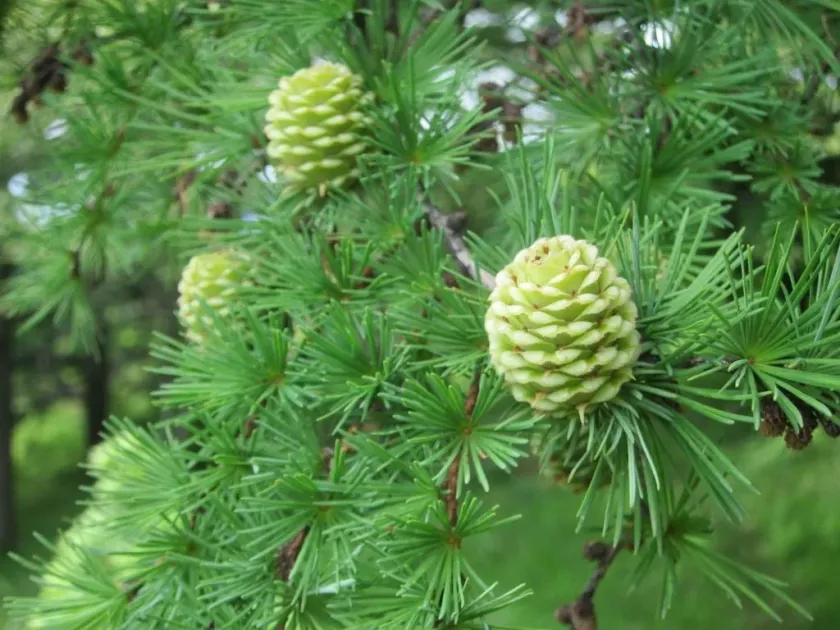
Botanically, it is recognized by its straight, tall trunk and needles that exhibit a distinctive bluish-green cast during the growing season. The hybrid vigor expresses itself in the tree's architecture, producing a larger volume of woody biomass compared to its parent species within the same timeframe.
The primary economic use for Dunkeld larch is in the timber industry, where it is prized for its strength, durability, and resistance to decay. It serves as an excellent choice for construction timber, flooring, and specialized wood products, contributing significantly to sustainable forest management programs.
Main diseases and pests
The most significant pathological threat to this larch hybrid is the European larch canker (Lachnellula willkommii), which attacks the stems of younger trees, particularly in cooler, humid microclimates. Maintaining optimal stand density and selecting appropriate planting sites are critical management strategies.
Insect pests, such as the larch casebearer and various aphid species, can impede growth by feeding on foliage and needles. Implementing an integrated pest management plan, focusing on early detection and biological control measures, ensures the long-term productivity and health of the larch plantations.