
Keteleeria fortunei
Keteleeria fortunei
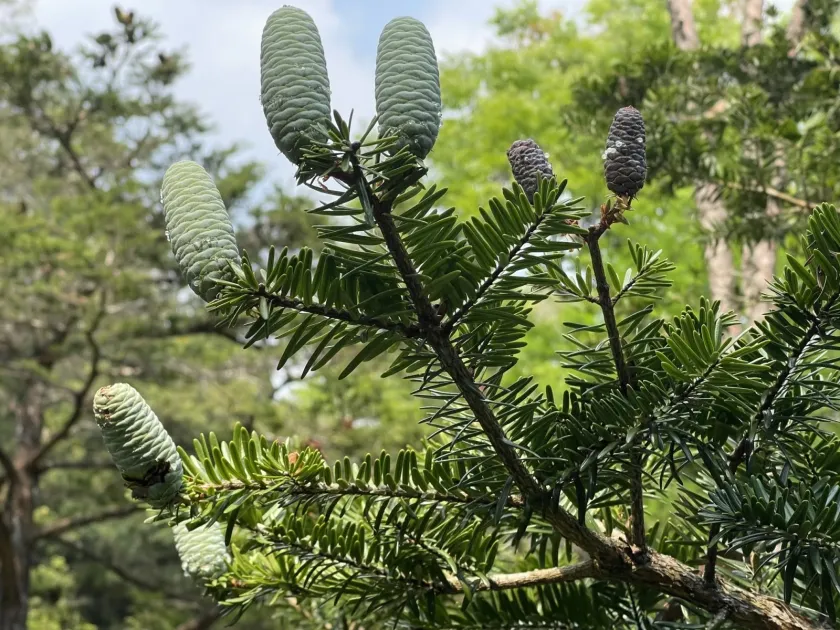
Description
Growing requirements
Keteleeria fortunei is a prominent evergreen coniferous tree belonging to the Pinaceae family, known for its elegant foliage and distinct growth habit.
Native to the subtropical regions of Southern China, this species thrives in humid environments where climatic conditions remain relatively stable throughout the year.
The tree requires well-drained, fertile soil, as it is highly susceptible to root decay when exposed to waterlogged conditions for extended periods.
Climatic requirements are specific; the species performs best in areas with mild winters and high atmospheric humidity, avoiding regions prone to extreme frosts.
Proper cultivation management involves ensuring sufficient light penetration, although young saplings can tolerate partial shade during their early development stages.
Yield
The primary agricultural and forestry use of Keteleeria fortunei involves the production of high-quality timber for fine woodworking and construction.
In addition to timber, the tree is increasingly popular in landscape architecture for its aesthetic appeal, serving as a decorative feature in large garden designs.
The species also contributes to reforestation efforts in its native range, supporting local biodiversity and stabilizing forest ecosystems.
Economic returns from cultivated stands depend on careful site selection and the implementation of standard silvicultural practices over several decades.
The seeds and cones of the tree have been researched for various botanical applications, emphasizing the plant's diverse role in natural resources management.
Main diseases and pests
Major threats to Keteleeria fortunei include fungal pathogens that target the root system, often triggered by poor soil aeration and improper irrigation.
Insects such as aphids and bark beetles can cause significant damage to the tree's health, particularly when the stand is already weakened by environmental stress.
Abiotic factors like drought or unexpected frost events can impede growth and render trees more susceptible to secondary pest infestations.
Effective management requires a comprehensive monitoring program that emphasizes preventive measures and early detection of disease symptoms in the canopy.
Maintaining a balanced nutritional profile and ensuring proper spacing between trees are vital strategies to reduce the impact of potential biological threats.