
Keteleeria davidiana
Keteleeria davidiana
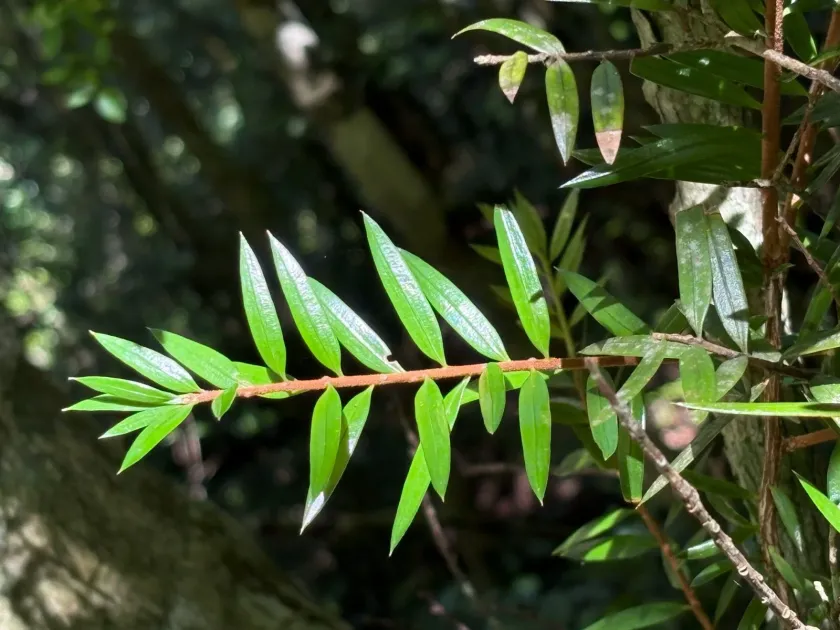
Description
Sowing dates
Propagation of Keteleeria davidiana in forestry and nursery settings is primarily achieved through seeds. Sowing is typically conducted in the spring following a stratification period of 30 to 60 days under cool conditions.
To enhance germination rates, seeds are often treated with growth stimulants. Seeds are sown at a depth of 1–2 centimeters in a well-draining substrate to ensure proper embryo development.
Young seedlings require shading during their first year as they are highly sensitive to direct sunlight. Temperature control between 18 and 22 degrees Celsius is crucial for initial growth.
Transplanting to permanent sites occurs at the age of 2–3 years, once the root system has developed enough to sustain the sapling in the field.
Soil preparation is essential: incorporating compost or peat creates the loose structure required for the taproot to penetrate the soil effectively.
Growing requirements
Keteleeria davidiana is a member of the Pinaceae family, characterized as a majestic evergreen tree that can reach heights of 30–40 meters in its native habitat.
The species prefers moderately moist, well-draining soils with a slightly acidic to neutral pH. Waterlogging is a critical risk factor that can lead to root rot and tree death.
It is a thermophilic species, making it best suited for subtropical and warm temperate regions. While it can withstand light frost, it is sensitive to strong, desiccating winds.
High air humidity is a key requirement for the vigorous growth of Keteleeria, making it an ideal candidate for mountainous or hilly terrains with mild climates.
While the tree thrives in full sun, which promotes dense crown formation, mature specimens can adapt to light forest canopy conditions without significant loss of vitality.
Yield
The economic value of this crop is primarily found in its high-quality timber, known for its excellent strength and resistance to decay.
Keteleeria davidiana displays a moderate growth rate, which necessitates long-term strategic planning when establishing plantations for commercial timber production.
In ornamental landscaping, yield is measured by the tree's aesthetic impact, focusing on needle density and the development of a perfect conical structure.
Timber yield per hectare is heavily dependent on planting density, which typically ranges from 1,500 to 2,000 trees per hectare to allow for optimal trunk development.
With proper management, these trees remain productive and structurally sound for over a century, serving as a long-term sustainable resource for the timber industry.
Main diseases and pests
The most significant threats to young plantations are fungal diseases affecting the root system, often exacerbated by over-watering and poor soil aeration.
Pests such as adelgids and various species of aphids can damage needles, leading to chlorosis and premature needle drop during dry, stressful seasons.
Nematode infestations represent a serious threat in regions with poor sanitary conditions, requiring proactive soil management and treatment strategies.
Mechanical damage to the bark by wildlife during winter can create entry points for pathogens, potentially leading to stem rot and systemic decline.
Adherence to standard forest hygiene practices and regular monitoring are essential to prevent the spread of diseases and maintain the health of the stand.