
Snow-in-summer
Melaleuca linariifolia Sm.
Description
Growing requirements
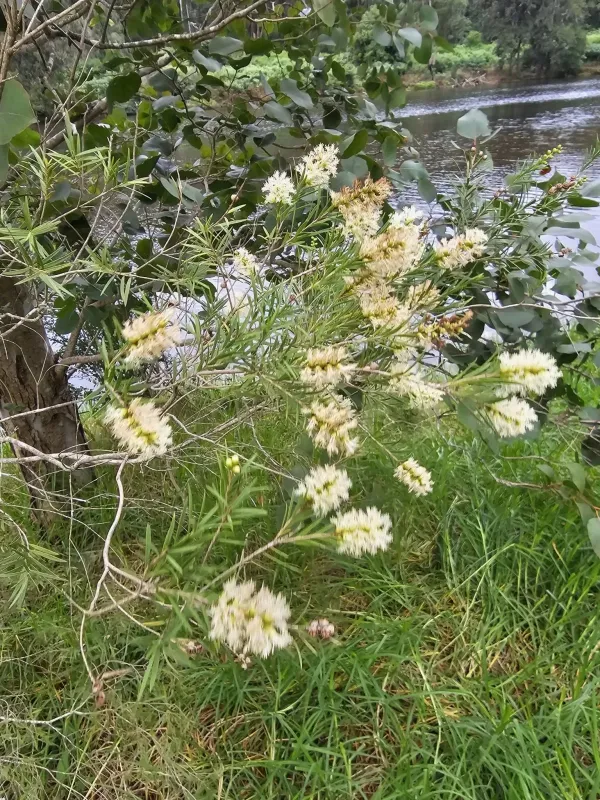
Melaleuca linariifolia Sm., commonly known as snow-in-summer, is a robust evergreen shrub or small tree belonging to the Myrtaceae family. It is widely recognized for its profuse white flowering and industrial potential as an essential oil source.
Native to eastern Australia, the species naturally inhabits swampy areas and damp forests. This evolutionary background makes the plant highly tolerant of wet soils and occasional flooding, which is a rare trait among many commercial crops.
The plant thrives in full sun, which is essential for maintaining high essential oil content in the leaves. While it is adaptable to various soil types, deep, moist, and nutrient-rich soils yield the best vegetative growth.
Climatic requirements are specific to subtropical or mild temperate zones. It is sensitive to severe frost, so commercial cultivation in colder regions requires protective measures or greenhouse conditions to prevent crown dieback.
Agronomic management includes frequent irrigation during dry spells and the application of balanced fertilizers. Pruning is essential to stimulate branching and ensure the biomass is easily accessible for harvesting purposes.
Main diseases and pests
The most significant pathological threats to Melaleuca linariifolia include root rot caused by Phytophthora species. This risk increases significantly in poorly drained soils where stagnant water promotes fungal proliferation.
Insect pests such as scale insects and mealybugs frequently target the plant's foliage. These pests cause chlorosis and stunted growth by extracting sap from the stems, which reduces overall production quality.
Integrated pest management strategies involve monitoring for signs of infestation and applying targeted biological controls. Maintaining a proper planting density is crucial to ensure adequate airflow within the canopy, preventing excessive humidity buildup.
Fungal leaf spots can occur in environments with low light and high humidity. Regular field sanitation and the prompt removal of infected debris are necessary to keep pathogen levels below economic thresholds.
Chemical control should be used sparingly to preserve the quality of the essential oils harvested from the plant. Always prioritize cultural practices such as optimizing soil drainage and monitoring irrigation systems.