
Broad-leaved paperbark
Melaleuca quinquenervia (Cav.) S. T. Blake
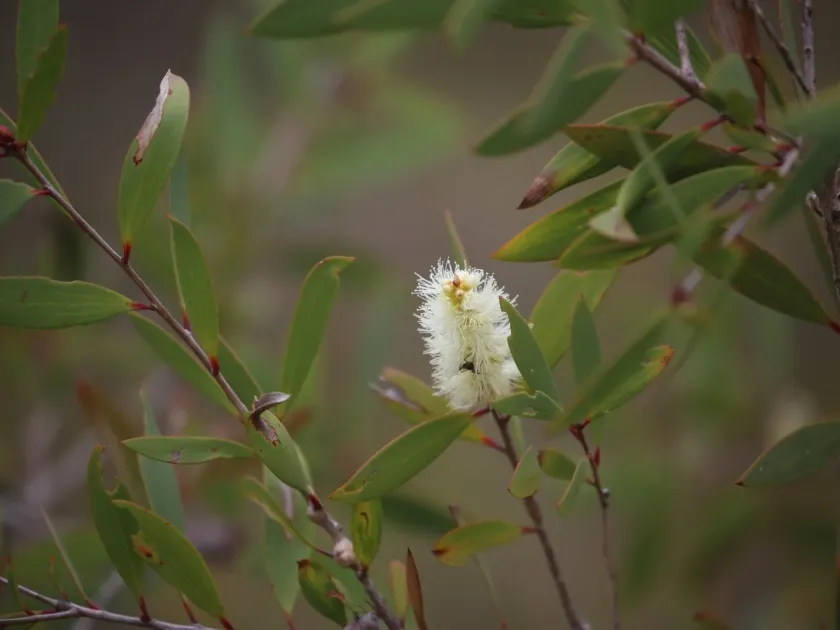
Description
Growing requirements
The broad-leaved paperbark is a resilient tree belonging to the Myrtaceae family. It is native to Australia and parts of the Pacific, flourishing in swampy habitats where it acts as a primary producer in wetland ecosystems.
This species requires high moisture levels and is exceptionally tolerant of inundation. It thrives in various soil types including sandy, silty, and organic peaty soils with low pH levels.
Climate-wise, it demands a tropical or subtropical environment. While it can tolerate brief periods of frost, it is primarily adapted to frost-free regions with high annual precipitation.
Cultivation practices involve selecting high-yield chemotypes if the goal is the extraction of niaouli oil. Proper spacing is essential to ensure maximum photosynthetic activity for the leaves.
The tree provides not only oil but also high-quality timber known for its resistance to rot, making it a versatile agricultural and forestry asset.
Main diseases and pests
Pest management is focused on leaf-eating insects, including specific weevil species that can defoliate young trees if left unchecked during the rapid growth phase.
Root rot, caused by various oomycetes, can be a major challenge in stagnant water conditions where drainage is completely absent, despite the tree's natural water tolerance.
Fungal leaf spots are common in areas with high humidity, requiring integrated pest management strategies to maintain the health of the foliage intended for distillation.
Invasive weed pressure can smother seedlings in the first years of growth, necessitating manual or mechanical clearing around the base of the trees.
Strict monitoring for emerging pathogens is crucial, as the introduction of non-native pests could threaten the profitability of large-scale plantations.