
Weeping paperbark
Melaleuca leucadendra (L.) L.
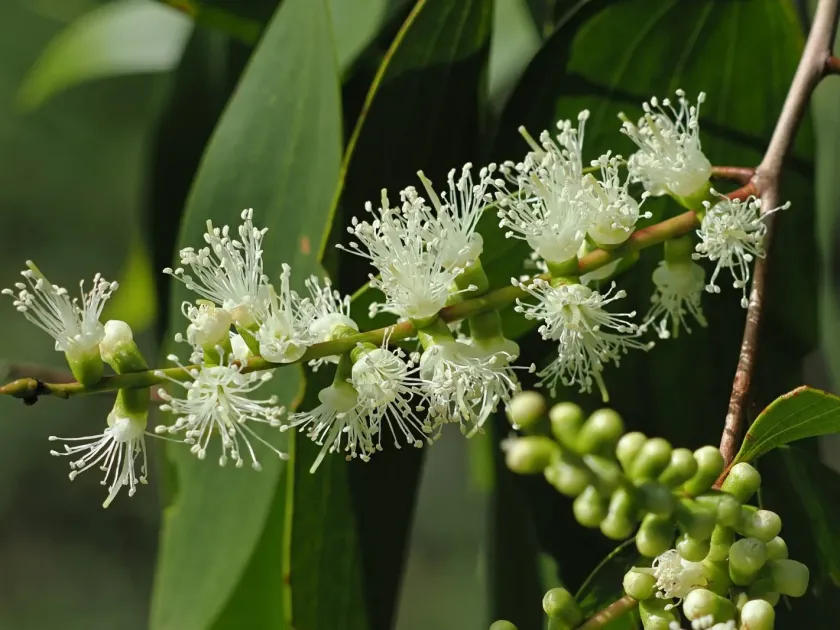
Description
Growing requirements
Melaleuca leucadendra, commonly known as weeping paperbark, is a member of the Myrtaceae family. It is an evergreen tree native to Australia, New Guinea, and Indonesia, highly prized for its aromatic foliage and unique peeling bark.
The species thrives in warm tropical and subtropical climates. It is uniquely adapted to swampy, waterlogged conditions and can grow in areas that are seasonally flooded, making it an ideal choice for specific wet-land agriculture projects.
Regarding soil, this tree prefers rich, moist soils but is notably versatile, showing adaptability to sandy and acidic environments. Full sun exposure is essential for maintaining high essential oil yields within the leaves.
Agricultural management is relatively straightforward once trees are established. It requires consistent moisture levels during the early years, but mature trees are remarkably resilient against fire and temporary environmental stress.
The economic value of this crop is primarily driven by the extraction of cajuput oil, which is distilled from the leaves for pharmaceutical and aromatherapy use. Additionally, its rot-resistant wood is valued for outdoor timber and landscaping.
Main diseases and pests
The primary threats to weeping paperbark include fungal pathogens that can affect the foliage if ventilation is poor. Ensuring adequate spacing during plantation setup is crucial to prevent these issues.
Insect pests such as leaf miners and certain scale insects may target young plantations, causing stunted growth. Regular monitoring of the foliage helps in early detection of infestations.
Root rot can become a problem if the trees are planted in sites that lack proper drainage, despite the species being water-tolerant. Extreme stagnant water can inhibit nutrient uptake.
Competition from invasive weeds during the early establishment phase is a significant concern for growers, as it can deprive young trees of necessary light and nutrients.
Sustainable plantation management involves using mulch and organic fertilizers to maintain soil structure, which acts as a buffer against many soil-borne diseases.