
Cajuput tree
Melaleuca cajuputi Powell
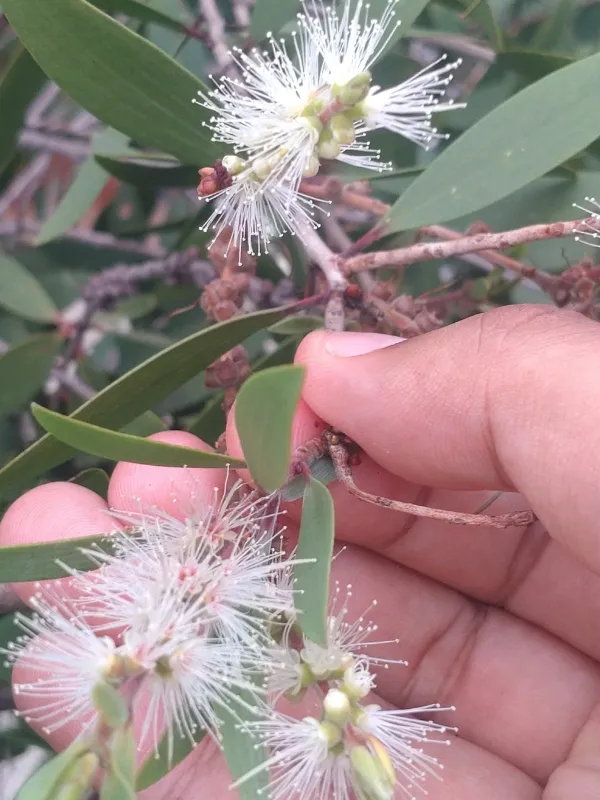
Description
Growing requirements
The Cajuput tree (Melaleuca cajuputi) belongs to the Myrtaceae family. It is a hardy evergreen tree native to Southeast Asia, Northern Australia, and the surrounding islands, thriving in tropical environments.
This species is highly adapted to wetland habitats and can survive in swampy soils, making it an excellent candidate for ecological restoration and land reclamation projects.
The tree requires significant sunlight for optimal growth and high essential oil yield, preferring regions with a warm, humid climate and distinct seasonal variations.
While tolerant of nutrient-poor soils, the Cajuput tree performs best in acidic, peat-based, or alluvial soils that provide both moisture and adequate drainage for root health.
Agricultural management should prioritize soil aeration and the prevention of stagnant water, although the tree is naturally evolved to withstand temporary flooding periods.
Yield
The primary agricultural output is Cajuput oil, extracted from the leaves and twigs through steam distillation, widely used in pharmaceutical and industrial applications.
Yield capacity typically stabilizes once the trees reach maturity, usually around 5 years after planting, with continuous harvests possible through sustainable pruning cycles.
The essential oil content in the leaves is the key quality metric, which is influenced by the genetic variety of the tree and the specific environmental conditions of the plantation.
Wood production is a secondary economic benefit, as the Cajuput timber is known for its durability, resistance to termites, and suitability for structural woodwork.
Advanced farming practices, including balanced fertilization and controlled irrigation, can significantly improve the biomass output per hectare in commercial settings.
Main diseases and pests
Although robust, the Cajuput tree is susceptible to several fungal diseases that target the foliage, especially in conditions of poor air circulation and excessive dampness.
Pest outbreaks, particularly from leaf-eating insects and wood-boring beetles, can be problematic in high-density plantations if not monitored closely throughout the growing season.
Preventative measures include maintaining optimal tree spacing to allow for airflow and implementing integrated pest management strategies to reduce reliance on chemicals.
Soil pathogens are generally less of a concern, but root health must be protected by ensuring that soil salinity levels do not spike due to improper drainage practices.
Regular field inspection is crucial to detect early signs of infestation or disease, allowing for localized treatment before the health of the entire grove is compromised.
Harvesting
Harvesting usually involves the mechanical or manual collection of young leaves and soft twigs, which are the parts most rich in essential oils.
The timing of the harvest is critical; collecting during the dry season results in a higher concentration of aromatic compounds and lower moisture content in the harvested biomass.
Once harvested, the material should be processed immediately to ensure the volatile oils do not evaporate and to maintain the chemical profile of the final extract.
Sustainable harvesting techniques, such as coppicing, allow the Cajuput tree to regenerate quickly, supporting long-term, multi-year production cycles on the same land.
Post-harvest management involves drying and preparing the raw materials for transport to distillation facilities, where oil extraction is performed under strictly controlled parameters.