
Melaleuca huegelii
Melaleuca huegelii Endl.
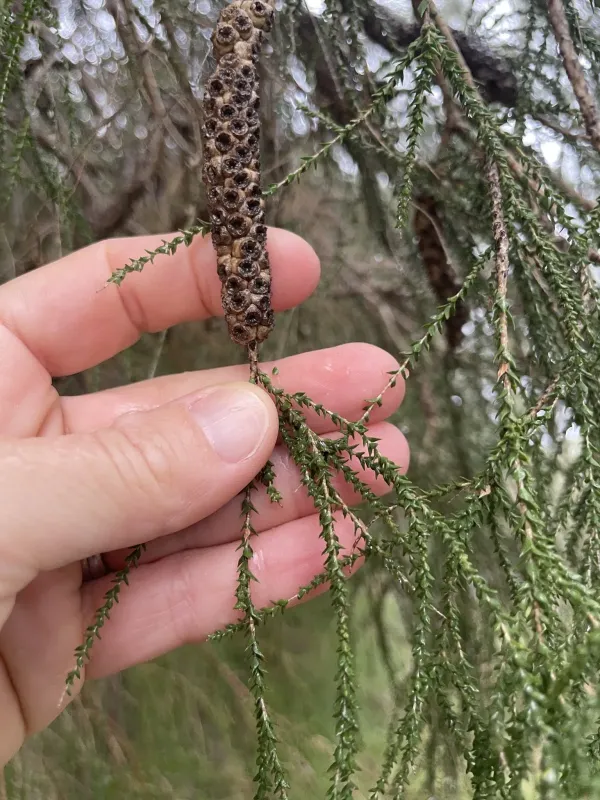
Description
Growing requirements
Melaleuca huegelii, commonly known as Chenille Honeymyrtle, is an evergreen shrub belonging to the Myrtaceae family. It is native to Western Australia, where it thrives in sandy coastal regions and limestone-based soils.
This species is highly valued for its ornamental feathery white or pale pink flowers and fine, needle-like foliage. It is best suited for sunny positions where it can receive full exposure to sunlight throughout the day.
Regarding soil requirements, Melaleuca huegelii demands excellent drainage. It is perfectly adapted to sandy and rocky substrates where water does not accumulate, which is vital for preventing root system issues.
Climate adaptation is a key feature of this plant. It prefers a Mediterranean-style climate with mild, wet winters and dry, warm summers. While it can withstand light frosts, prolonged freezing temperatures can damage the branches.
Agricultural and gardening maintenance should include occasional pruning after the main flowering season. This practice helps maintain a dense, attractive shape and encourages the growth of new blooming wood.
Main diseases and pests
The most serious threat to Melaleuca huegelii is root rot, typically caused by Phytophthora species. This often occurs when the plant is grown in heavy, poorly drained soil, which prevents proper oxygen circulation.
Common insect pests include aphids, which tend to infest the tender new growth in spring, and scale insects that may attach themselves to the stems and branches.
In drier greenhouse or indoor conditions, spider mites can become problematic, leading to yellowing of the leaves and loss of vigor if not addressed early.
Management of these threats involves monitoring the soil moisture levels and ensuring that the planting site has sufficient air movement to minimize fungal proliferation.
Integrated pest management, including regular inspection and the use of targeted insecticides, remains the standard approach for keeping the plants healthy and productive.