
Black tea tree
Melaleuca bracteata F. Muell.
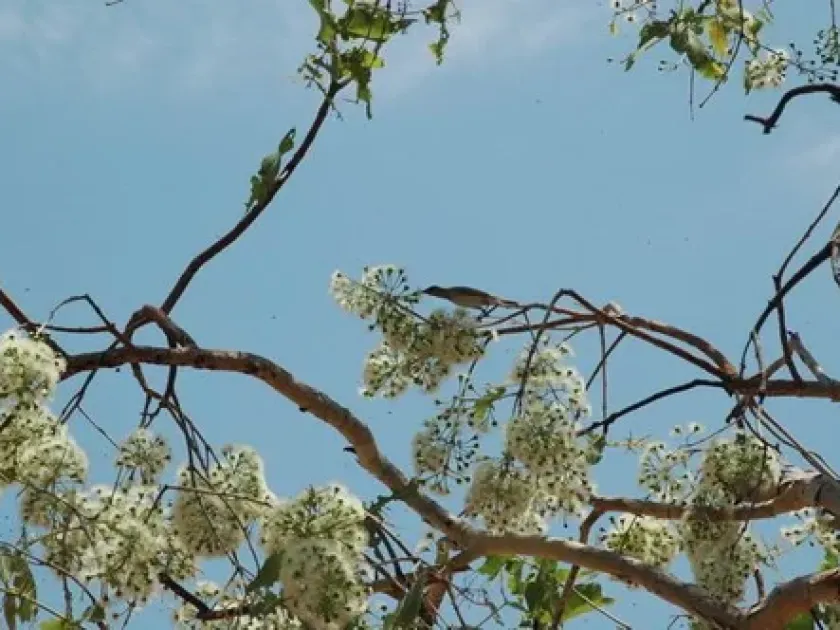
Description
Growing requirements
The Black tea tree (Melaleuca bracteata) is a member of the Myrtaceae family. It is an evergreen species native to Australia, often recognized for its dense foliage and aromatic properties which make it a valuable resource for essential oil production.
This species is highly adaptable, preferring full sun exposure and well-drained soil conditions. Once established, it shows significant drought tolerance, though it thrives best in regions where moisture levels remain consistent during the primary growing season.
Botanically, Melaleuca bracteata is characterized by narrow, alternate leaves and distinctive, brush-like flower spikes that bloom in various shades depending on the variety. The wood is often dense and durable, contributing to the plant's overall hardiness.
Beyond its industrial use as a source of medicinal-grade oils, the tree is widely valued in landscaping for its role as a windbreak and its attractive ornamental appearance in parks and suburban gardens.
Cultivation involves both seed propagation and stem cuttings. When growing from seeds, it is essential to ensure the soil remains moist until germination is complete, and the young seedlings receive adequate protection from harsh weather conditions.
Main diseases and pests
The primary threats to Melaleuca bracteata health are fungal infections, particularly root rot, which typically occur in poorly drained or waterlogged soils. Ensuring excellent drainage is the best defense against these pathogens.
Common pests affecting this tree include spider mites and scale insects. These pests can cause chlorosis or deformation of young leaves, ultimately reducing the plant's overall vigor and the quality of essential oil yield.
Management of these threats involves routine monitoring and the application of horticultural oils or insecticidal soap when infestations are detected early. Biological controls can also be effective in maintaining a balanced garden environment.
Pruning plays a critical role in preventing disease outbreaks by allowing sufficient airflow through the canopy, which reduces the likelihood of mold or bacterial growth in humid conditions.
Regular maintenance, including proper fertilization and periodic cleaning of the soil surface around the trunk, is recommended to keep the plant resilient against common environmental stressors.