
Callistemon viminalis
Callistemon viminalis (Sol. ex Gaertn.) G. Don
Description
Growing requirements
Callistemon viminalis, commonly known as the weeping bottlebrush, belongs to the Myrtaceae family. Originally native to eastern Australia, this evergreen species thrives in riparian zones, demonstrating a strong biological adaptation to high-moisture environments and riverbank ecosystems.
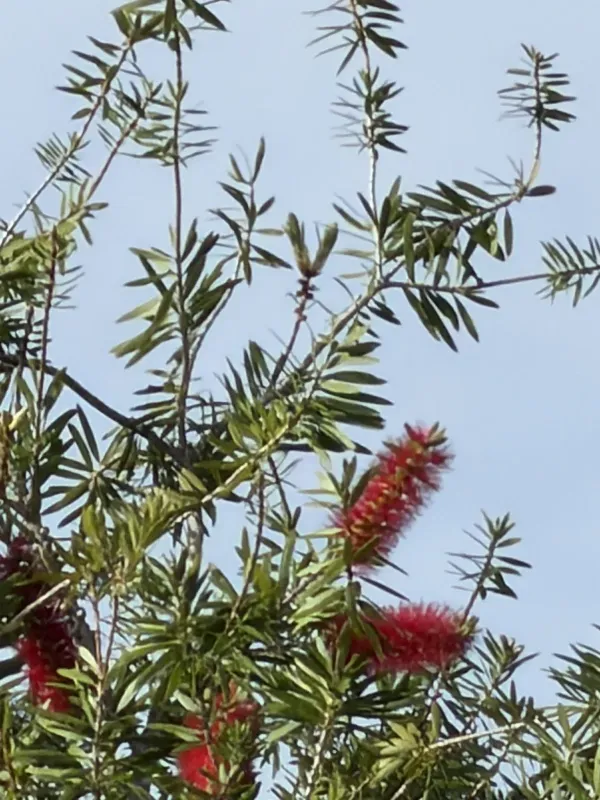
Botanically, the plant is distinguished by its pendulous branches and unique inflorescences, which resemble bottle brushes due to their bright red filaments. These flowers are highly attractive to nectar-feeding birds and pollinators, making them a significant component of local biodiversity.
For successful agricultural and ornamental cultivation, the plant requires full sun exposure and well-draining, slightly acidic soil. Adequate hydration is crucial; although the plant is resilient, it performs best when supplied with consistent moisture, particularly during the growing season.
Climatic requirements focus on warmth, as Callistemon viminalis is not frost-tolerant in harsh northern climates. In cooler regions, it is frequently managed as a container plant, necessitating relocation to sheltered greenhouses or indoor conservatories during the winter months to avoid tissue damage.
The primary use of the crop is in landscaping and garden design, where its weeping form serves as an aesthetic focal point. It is also valued in environmental restoration projects in subtropical areas, as its root system is effective in stabilizing soil along banks and sloping landscapes.
Main diseases and pests
Common pests affecting Callistemon viminalis include scale insects and mealybugs, which inhabit the foliage and stems. Integrated pest management strategies, involving horticultural oils or systemic insecticides, are recommended to maintain plant health and prevent severe infestations.
Root rot pathogens represent a significant threat when soil drainage is insufficient. Overwatering in poorly ventilated conditions leads to anaerobic soil states, which promote the growth of fungal organisms that destroy the root system and inhibit nutrient uptake.
Iron deficiency chlorosis is a frequent physiological issue, often induced by alkaline soil pH or irrigation with hard water. Supplementing the soil with chelated iron ensures the plant maintains its deep green foliage and avoids leaf yellowing and general weakness.
Spider mites can become a nuisance in indoor or greenhouse settings where humidity levels remain low for extended periods. Regular misting and monitoring the underside of leaves are essential preventative measures to avoid rapid colonization by these arachnids.
Infection by various fungal leaf spot diseases can occur if the canopy density restricts airflow and light penetration. Routine pruning to maintain an open canopy structure is a vital agronomic practice to improve ventilation and minimize the risk of pathogen spread.