
Callistemon recurvus
Callistemon recurvus R.D.Spencer & Lumley
Description
Sowing dates
Callistemon recurvus is an evergreen shrub belonging to the Myrtaceae family. Propagation is primarily carried out via seeds, which are sown in a light, well-draining, and slightly acidic medium. Seeds should be surface-sown and barely covered with a fine layer of sand to maintain moisture.
The optimal time for sowing is early spring when increasing daylight hours promote seedling vigor. Seeds generally germinate within three to four weeks when kept at a stable temperature of 20–22 degrees Celsius and protected under a cover to maintain humidity.
Once seedlings have developed at least two pairs of true leaves, they should be pricked out into individual pots. This transition period requires careful hardening off to prepare the young plants for standard growing conditions in a greenhouse or outdoors.
Vegetative propagation using semi-hardwood cuttings is an efficient alternative to maintain the genetic consistency of the cultivar. Cuttings are taken in late summer and rooted in a mixture of peat and perlite, often with the aid of rooting hormones.
In temperate climates, the plant is typically grown in containers to facilitate movement during winter. Keeping the plant in a bright, cool, and frost-free environment during the dormancy phase ensures the plant remains healthy for the following growing season.
Growing requirements
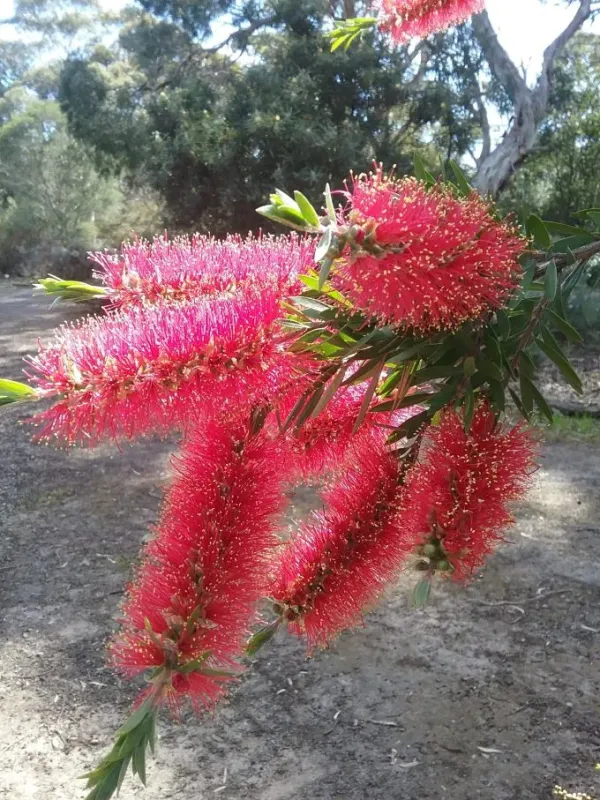
Callistemon recurvus requires high light intensity to thrive and produce its characteristic brush-like flowers. Ideally, the plant should receive at least 6–8 hours of direct sunlight daily; insufficient light can lead to spindly growth and poor flowering.
The soil must be well-draining, as the roots are sensitive to waterlogging. It is crucial to choose a substrate low in phosphorus, as excessive phosphorus levels can inhibit the uptake of necessary micronutrients and lead to chlorosis in the leaves.
Irrigation should be consistent but measured. While the plant can handle short periods of dryness, it performs best when the soil is kept evenly moist, particularly during the peak growing period and throughout the flower bud development stage.
Temperature management is key to successful cultivation. The shrub prefers mild to warm conditions, ideally between 18 and 28 degrees Celsius. While it can withstand light exposure to cold, prolonged freezing temperatures will cause irreversible damage to the foliage and stems.
Pruning is a fundamental part of the plant's maintenance program. Regular pruning immediately after the flowering period promotes a dense growth habit and ensures that new wood, which is necessary for the next season's bloom, develops efficiently.
Main diseases and pests
Mealybugs and scale insects are the most prevalent pests affecting this shrub. These insects feed on the sap of young stems and leaves, potentially causing stunted growth. Systemic insecticides are recommended for effective control when infestations occur.
Spider mites can become a significant issue in dry, indoor environments or during heatwaves. Increasing ambient humidity through regular misting of the canopy helps deter these pests, though acaricide treatments may be necessary for severe outbreaks.
Root rot is a common ailment associated with overwatering or poor drainage systems. To mitigate this risk, ensure that containers have ample drainage holes and that the plant is never left sitting in standing water in a tray or saucer.
Leaf chlorosis is frequently encountered, often caused by iron deficiency or alkaline water. Correcting the water's pH by slight acidification and providing iron-chelate supplements can help restore the plant’s vibrant green foliage and overall health.
To maintain general plant hygiene and prevent fungal pathogens, adequate air circulation is required around the canopy. Avoiding overly crowded conditions in a greenhouse or sunroom significantly reduces the risk of pest and disease outbreaks.