
Lesser Bottlebrush
Callistemon phoeniceus Lindl.
Description
Growing requirements
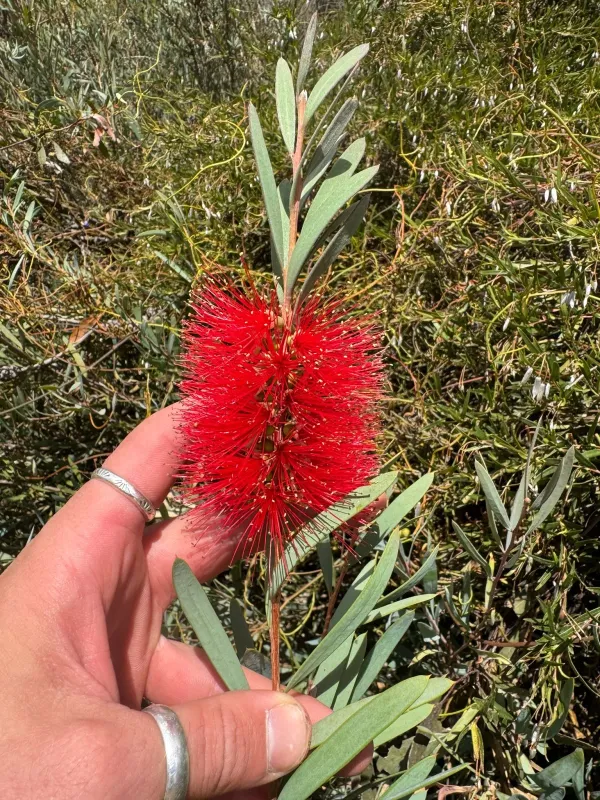
Callistemon phoeniceus, known as the Lesser Bottlebrush, is a hardy shrub belonging to the Myrtaceae family. It is native to Western Australia and is highly regarded for its brilliant crimson stamens that form unique flower spikes.
The plant thrives in full sun exposure, which is essential for stimulating bud formation and maintaining the compact habit of the shrub. In regions with cold winters, it is typically grown in containers to allow for relocation during frost events.
The ideal soil for this species is well-drained, sandy, or loamy with a slightly acidic pH. It performs poorly in heavy clay soils unless amendments are used to improve drainage and prevent root rot.
Water requirements for this species are moderate. While established plants can tolerate short periods of drought, container-grown specimens require consistent moisture, especially during the peak of summer growth.
Pruning is a critical aspect of its cultivation. It is recommended to trim the plant immediately after the flowering period to encourage dense branching and promote more abundant blooms in the following season.
Main diseases and pests
Spider mites are the most frequent pest problem for Callistemon phoeniceus, particularly in warm, low-humidity environments. Regular foliage misting and adequate spacing can help mitigate the risk of infestation.
Scale insects can attach themselves to the stems and leaves, extracting nutrients and causing yellowing of the foliage. Manual removal or the application of horticultural oils is often effective for control.
Root pathogens, such as Phytophthora, can occur if the growing medium remains waterlogged for extended periods. Ensuring excellent drainage and avoiding over-irrigation are the primary defensive measures.
Chlorosis, manifesting as yellowing between the veins of the leaves, is typically indicative of iron deficiency often caused by high-alkalinity water. Utilizing chelated iron supplements can correct this imbalance.
Insects like mealybugs may also find shelter in the dense foliage of the plant. A proactive inspection routine is advised to identify early signs of colonization before the pest population expands significantly.