
Lemon Bottlebrush
Callistemon pallidus (Bonpl.) DC.
Description
Growing requirements
Callistemon pallidus, commonly known as Lemon Bottlebrush, is a hardy evergreen shrub belonging to the Myrtaceae family. Native to Australia, it is widely recognized for its robust nature and distinct aesthetic appeal.
The plant thrives in full sun exposure, which is essential for stimulating flower bud production. While it shows some frost tolerance, it is best suited for climates with mild winters or protected garden spots.
Soil requirements involve well-drained conditions, as the root system is susceptible to decay if kept in waterlogged soil. It prefers slightly acidic to neutral soil pH levels and benefits from organic matter enrichment.
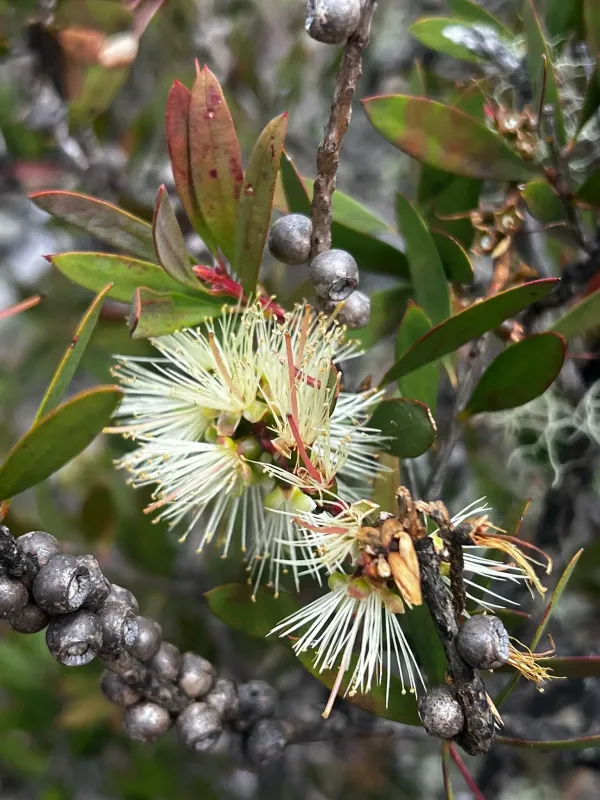
Botanically, the plant is characterized by its cylindrical, cream-to-yellow flower spikes that resemble cleaning brushes. The foliage consists of narrow, stiff leaves that are typically covered in soft hairs, providing a unique texture.
In terms of agricultural use, this species is utilized in landscaping, coastal plantings due to its tolerance to salt spray, and as a nectar source for local pollinators in native restoration projects.
Main diseases and pests
Common pests include scale insects and mealybugs, which tend to congregate on the underside of leaves and stems, sucking the plant sap and hindering growth.
Fungal issues such as leaf spot or collar rot can occur if the humidity levels are too high or if the soil lacks sufficient drainage, leading to systemic weakness.
Management strategies involve regular monitoring and the use of horticultural oils or systemic insecticides to control sap-sucking pests during the growing season.
Maintaining proper spacing between plants ensures better air circulation, which significantly reduces the risk of fungal infections and keeps the foliage dry.
Good agricultural practice dictates the removal of dead or diseased branches to maintain plant vigor and prevent the spread of localized pathogens.