
Crimson bottlebrush
Callistemon pallidus x Callistemon citrinus
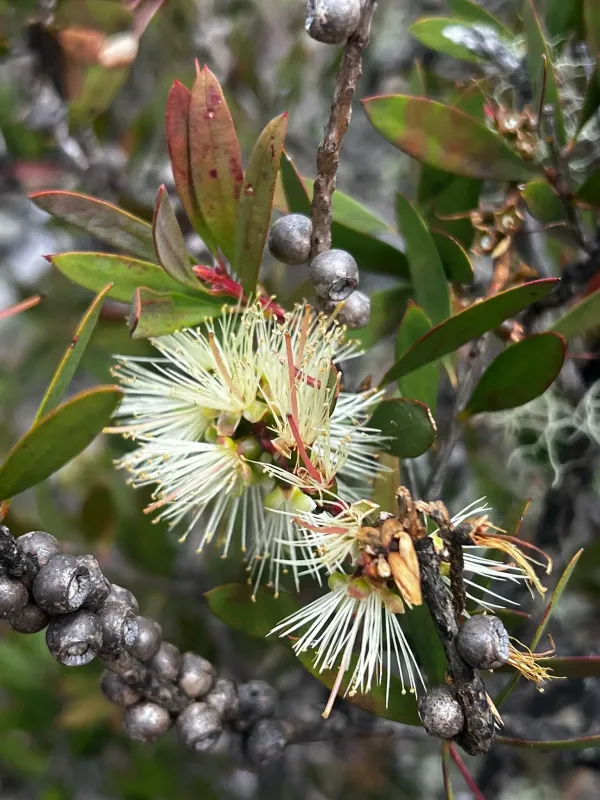
Description
Growing requirements
The crimson bottlebrush (Callistemon citrinus) is an evergreen ornamental shrub belonging to the Myrtaceae family, native to Australia. The plant is prized for its unique spikes of flowers that resemble bottle brushes, created by clusters of long, bright filaments.
For successful growth, the culture requires locations with high light intensity and direct sunlight. In temperate climates, it is typically cultivated as a container plant or in greenhouses, as it cannot withstand prolonged frost below -5-7 degrees Celsius.
The potting medium for bottlebrush must be slightly acidic, well-aerated, and have excellent drainage. Waterlogging is lethal to the root system, so heavy clay soils without organic matter or perlite additives should be avoided.
Agronomic practices include regular watering during the growing season using soft, room-temperature water. During hot summer months, the plant benefits from increased ambient humidity, which can be achieved through morning misting of the foliage.
To maintain an attractive shape and promote prolific flowering, annual pruning is necessary immediately after the flowering season. This practice helps the shrub retain a compact structure and prevents the lower branches from becoming bare.
Main diseases and pests
Common pests affecting the bottlebrush include spider mites and scale insects, which often infest the plant when kept in environments with low humidity. Control involves the use of systemic insecticides and acaricides.
Improper watering and poor root aeration can lead to root rot. Prevention relies on monitoring substrate moisture levels and applying appropriate fungicides if early signs of leaf chlorosis or wilting occur.
Chlorosis is a frequent physiological issue caused by iron deficiency or high calcium content in irrigation water. It is managed by applying iron chelates and adjusting the soil pH to a slightly acidic range.
Mealybugs can often be found in leaf axils and around the base of flower spikes. Regular inspections and wiping affected areas with an alcohol solution or applying targeted treatments is necessary to manage populations.
The plant may also be susceptible to sooty mold, which develops on the honeydew secreted by sucking insects. Eliminating the primary pest infestation is essential to preventing the development of this secondary fungal issue.