
Callistemon glaucus
Callistemon glaucus (Bonpl.) Sweet
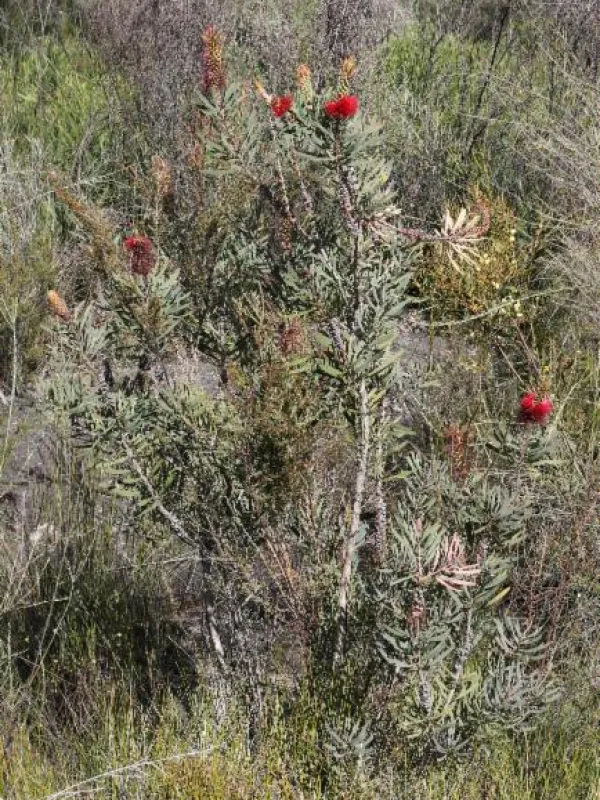
Description
Growing requirements
Callistemon glaucus, commonly known as a type of bottlebrush, is an evergreen shrub or small tree belonging to the Myrtaceae family. It is characterized by its distinctive glaucous foliage and vibrant, spike-like inflorescences that bloom predominantly in the spring and summer.
Native to the diverse landscapes of Australia, this species thrives in subtropical and Mediterranean-like climates. It has been introduced to various regions globally where frost-free conditions allow it to be cultivated as an ornamental or in controlled agricultural settings.
The plant requires full sun exposure to maintain its characteristic glaucous hue and to ensure optimal flowering. It is relatively adaptable to various soil types, provided that the growing medium has excellent drainage and a slightly acidic to neutral pH level.
Agronomic management involves regular watering during the establishment phase, though mature specimens demonstrate significant drought tolerance. Pruning immediately after the flowering season is essential to maintain a compact habit and encourage denser growth for future blooming cycles.
Economically, the plant is primarily utilized in horticulture for urban landscaping and garden design. Furthermore, the essential oils extracted from the foliage contain various bioactive compounds, leading to minor interest in the chemical and pharmaceutical industries.
Main diseases and pests
The main pests affecting Callistemon glaucus include spider mites, aphids, and scale insects, which often colonize the succulent new growth. Integrated pest management using systemic or contact insecticides is recommended during peak infestation periods.
Root rot, specifically caused by Phytophthora species, is a significant threat in poorly drained or waterlogged soils. To prevent this, agronomists emphasize the importance of site selection and maintaining proper irrigation protocols to avoid prolonged saturation of the root zone.