
American guiana fig
Ficus americana Aubl. subsp. guianensis (Ham.) C. C. Berg
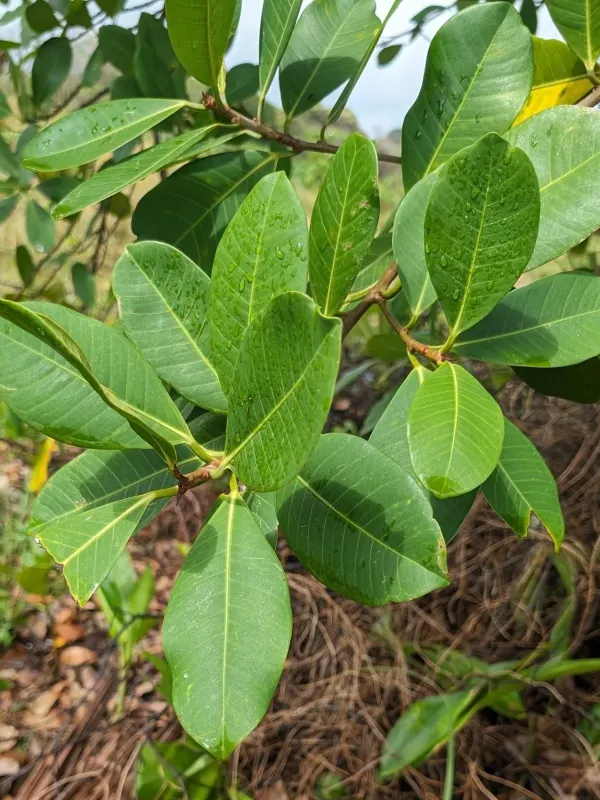
Description
Growing requirements
The American guiana fig belongs to the Moraceae family. It is a robust plant species known for its hemi-epiphytic habits in its native habitat, where it begins development on other trees before establishing direct root contact with the soil.
Originating from the tropical regions of the Guianas and South America, this plant thrives in environments characterized by consistently high humidity and temperatures. It is highly sensitive to frost and dry air, which restricts its cultivation to tropical and subtropical climates.
Successful cultivation requires soil that is rich in organic matter and offers excellent drainage. A neutral or slightly acidic soil pH is preferred to ensure that the roots can efficiently absorb necessary micronutrients for healthy growth.
The plant demonstrates a high demand for solar energy, yet it can adapt to partial shade during its initial growth phases. Proper placement in an open landscape or a well-lit nursery is essential for maximizing the structural integrity and foliage density of the plant.
Economically, this species is valued for its role in tropical reforestation projects and landscape gardening. It serves as a keystone species, providing essential food resources such as syconia for various local birds and insects, thereby enhancing biodiversity.
Main diseases and pests
Scale insects and mealybugs are primary pests that infest the stems and leaves, extracting plant sap and reducing overall vigor. Regular monitoring is essential to prevent these pests from reaching levels that require intensive chemical control.
Fungal pathogens, particularly those causing leaf spot diseases, are prevalent in areas with high humidity and stagnant air. Maintaining proper air circulation within the canopy is a critical agronomic practice to mitigate these risks.
Root rot is a common threat caused by improper water management and poor soil drainage. It can lead to sudden decline in plant health, making it imperative to ensure that the root zone is never waterlogged for extended periods.
Thrips can also cause significant damage by scarring young leaves and shoots, which may lead to stunted growth. Integrated pest management strategies, including the use of biological control agents, are recommended for long-term health.
Consistent sanitation practices, such as removing dead branches and infected foliage, are vital for maintaining the plant's health. Early detection of any anomaly in foliage color or texture allows for effective intervention before the problem spreads.