
Magnolia tsiampacca
Magnolia tsiampacca
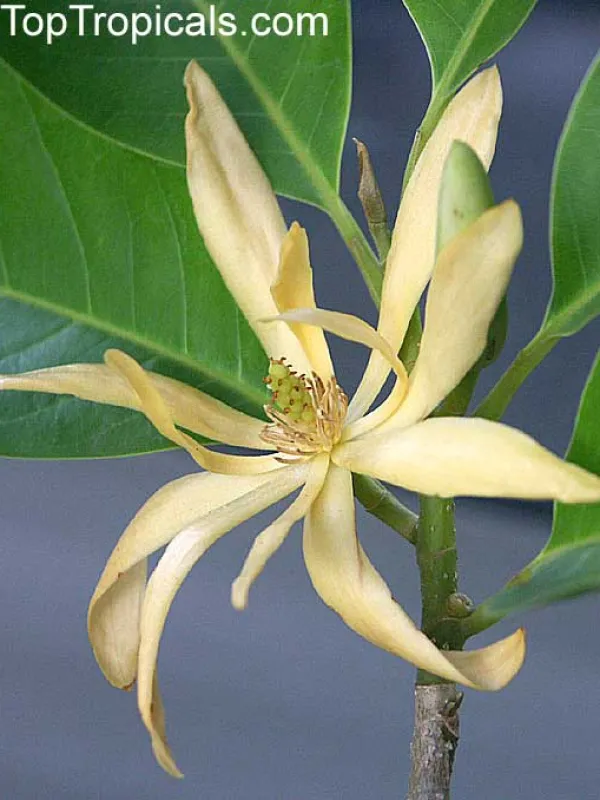
Description
Growing requirements
Magnolia tsiampacca belongs to the Magnoliaceae family. This evergreen species is highly regarded for its aromatic flowers and lush, dense foliage which provides significant aesthetic value in tropical landscapes.
Native to Southeast Asia, specifically regions like Indonesia and the Philippines, the tree thrives in tropical rainforest conditions. It is biologically adapted to environments with high humidity and stable annual temperatures.
The cultivation of this species requires fertile, well-draining soil rich in organic matter. A neutral to slightly acidic soil profile is ideal for the development of a healthy root system and optimal nutrient uptake.
Climate requirements include protection from freezing temperatures, as the tree has zero tolerance for frost. In non-tropical regions, it must be grown in controlled greenhouse environments to maintain the necessary ambient heat and humidity levels.
Agronomic management includes consistent irrigation to prevent drought stress, alongside a structured fertilization program during the growing season. Adequate spacing is essential to ensure proper airflow and light distribution for the tree canopy.
Harvesting
The commercial extraction of essential oils from the flowers is the primary economic use of Magnolia tsiampacca. These oils are highly prized in the international perfume industry for their unique, long-lasting fragrance.
The wood of the tree is characterized by fine grain and durability, making it suitable for high-end furniture manufacturing and specialized carpentry. Sustainable harvesting practices are strictly monitored in native habitats.
In traditional medicine, various parts of the plant, including flowers and bark, are used for their pharmacological properties. Research into these applications continues to explore the potential of the species in natural healthcare.
Ornamental use is extensive in tropical horticultural practices, where the tree serves as a focal point in landscape design. Its visual appeal and fragrance make it a preferred choice for botanical gardens and resort aesthetics.
Propagation is primarily achieved through seeds, although skilled nursery techniques such as air layering can be employed. Successful growth relies on mimicking the natural successional stages of a tropical forest floor during the early development of seedlings.