
Sumatra magnolia
Magnolia sumatrae
Description
Growing requirements
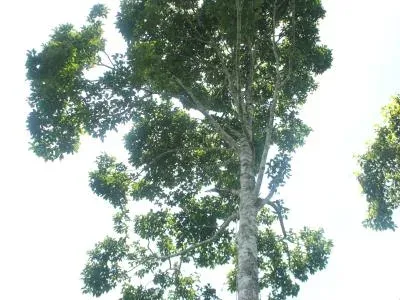
Sumatra magnolia (Magnolia sumatrae) is a notable member of the Magnoliaceae family, native to the lush tropical rainforests of the Indonesian archipelago.
This species thrives in high-humidity environments where temperatures remain consistently warm throughout the year, typically ranging between 22 and 28 degrees Celsius.
Cultivation requires well-drained, acidic to slightly acidic soil, enriched with organic matter to support the robust growth of the tree's root system.
Botanically, the tree is recognized for its thick, leathery leaves and large, fragrant flowers which exhibit the classic structural characteristics of the magnolia genus.
In terms of usage, the plant is valued primarily for its ornamental appeal in tropical landscapes and for the essential oils extracted from its blossoms for perfumery.
Main diseases and pests
Fungal infections pose a significant threat to Sumatra magnolia, particularly in regions where prolonged rainfall creates an environment conducive to pathogen spread.
Pests such as scale insects and mealybugs represent a common challenge, as they feed on plant sap and can severely weaken the tree if left untreated.
Chlorosis, often resulting from improper soil pH or nutrient imbalances, is a common issue that manifests as yellowing foliage and stunted growth patterns.
Integrated pest management strategies, including the use of targeted fungicides and horticultural oils, are essential to maintain the health of the specimens.
Maintaining optimal airflow within the canopy through proper pruning techniques is a key preventive measure against both fungal and insect infestations.