
Sprenger's magnolia
Magnolia sprengeri
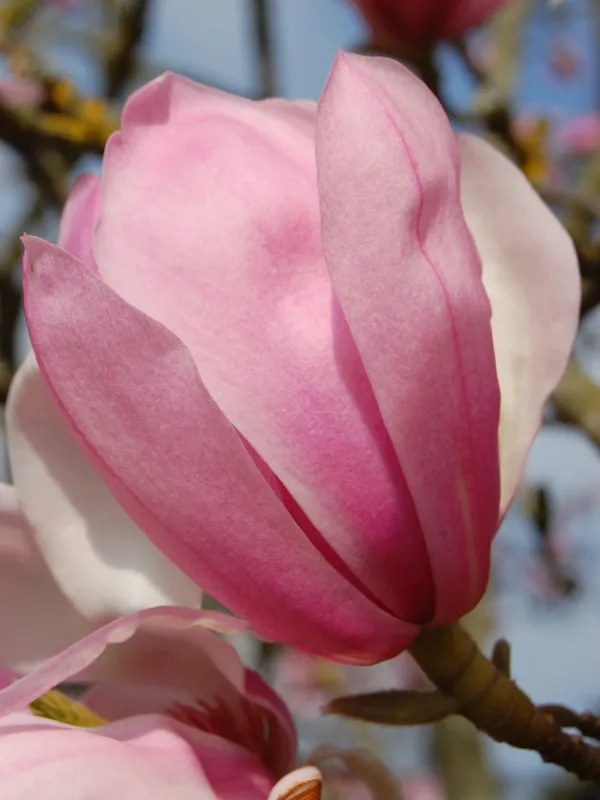
Description
Growing requirements
Magnolia sprengeri is a deciduous species of the Magnoliaceae family, native to the mountainous forests of China. Known for its spectacular early spring blooms, it is a prized specimen tree that requires specific environmental conditions to thrive in a cultivated landscape.
The plant thrives in deep, fertile, and well-drained soils that are slightly acidic to neutral in reaction. It is essential to ensure that the planting site has excellent drainage, as the fleshy root system of the magnolia is highly susceptible to rot if submerged in water for extended periods.
A location sheltered from strong, drying winds is crucial for the health of the tree, especially during the flowering season. While the species can tolerate moderate frost, the flower buds can be damaged by sudden late spring frosts, which necessitates a protected microclimate.
Consistent moisture is key for healthy growth, so the soil should never be allowed to dry out completely. Mulching around the base with organic materials like leaf mould or pine bark helps conserve soil moisture and suppresses weeds, while also insulating the root zone.
The cultural use of this species is primarily ornamental, serving as a focal point in large gardens and parks. Its majestic structure and massive, fragrant flowers make it a highlight of any horticultural collection that can accommodate its significant mature size.
Main diseases and pests
Magnolia sprengeri is occasionally affected by fungal diseases, particularly leaf spot and powdery mildew. Improving air circulation by proper pruning and avoiding overhead irrigation can significantly reduce the incidence of these common plant pathogens.
Pests such as scale insects and spider mites are typical challenges that can affect the vigour of the tree. If left untreated, these pests feed on the sap and can lead to the yellowing of foliage and general decline in the tree's overall decorative appearance.
Iron-induced chlorosis is a common physiological issue in soils with higher pH levels. This condition causes leaves to turn pale or yellow between the veins while the veins remain green, indicating that the tree is unable to access essential nutrients from the substrate.
Voles and mice can cause significant damage to the lower trunk and roots, especially in winter. Protecting the base of the stem with wire mesh or tree guards is a recommended practice in areas where these small mammals are active.
Regular monitoring of the tree's health and maintenance through targeted fertilization and sanitation is essential. Pruning should be kept to a minimum and only performed to remove dead or diseased wood to prevent stress on the tree.