
Magnolia splendens
Magnolia splendens
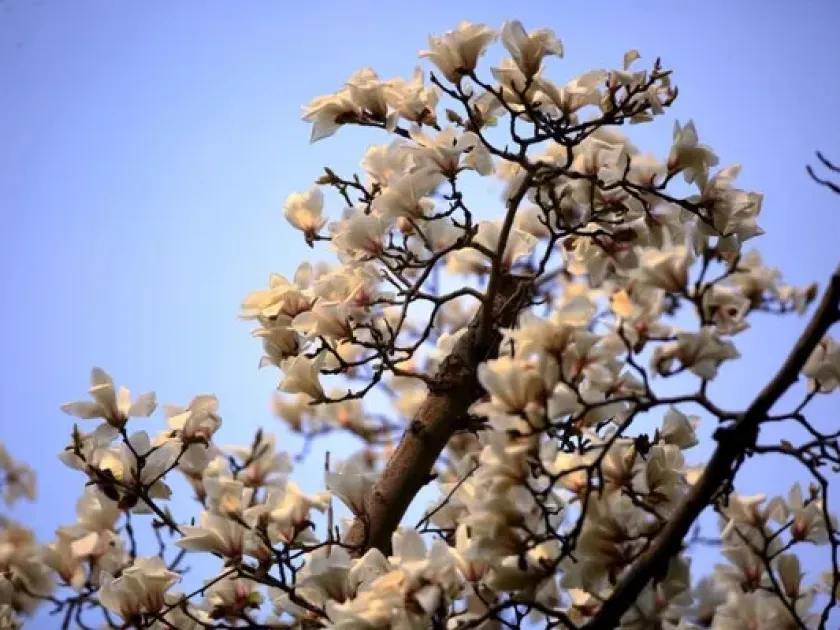
Description
Growing requirements
Magnolia splendens, commonly known as the shining magnolia, is a magnificent tree species belonging to the Magnoliaceae family. Native primarily to the mountain forests of Puerto Rico, it is celebrated for its impressive white flowers and dense, evergreen foliage.
This species thrives in high-humidity tropical environments with consistent rainfall throughout the year. Cultivation requires a sheltered location protected from strong winds, which can cause significant damage to the large, succulent leaves and delicate branches.
Optimal growth conditions involve acidic or slightly acidic, well-drained soils rich in organic matter. Proper drainage is the most critical aspect of soil management, as the roots are highly susceptible to oxygen deprivation in waterlogged substrates.
Maintenance practices for this crop include consistent irrigation during dry spells and the application of organic mulch around the root zone. This helps in maintaining soil moisture levels and regulating ground temperature throughout the vegetation cycle.
Propagation is predominantly achieved through seeds, although germination can be slow and requires specific stratification techniques. Saplings require significant space and time to mature, demanding patient and careful long-term management.
Main diseases and pests
The primary threats to Magnolia splendens include various root rot pathogens, often exacerbated by improper irrigation. Maintaining an airy and well-drained soil structure is the best preventative measure against these infections.
Common pests include scale insects and spider mites that feed on the sap of young twigs and foliage. If left unchecked, these infestations can lead to leaf yellowing, stunted growth, and a general decline in the tree's health.
Fungal leaf spots can occur during periods of prolonged damp weather. Managing canopy density to ensure adequate airflow is vital to reducing the moisture levels that promote fungal sporulation on the foliage.
Physical damage to the bark or root system can provide entry points for secondary infections or wood-boring insects. Careful handling during transplanting and site preparation is essential to prevent such wounds.
Due to its status as a rare or protected species in its natural habitat, the economic use of its timber is highly regulated. Where permitted, the wood is appreciated for its fine grain and durability in specialty furniture and woodwork.