
Magnolia sororum
Magnolia sororum
Description
Growing requirements
Magnolia sororum is a valuable species of woody plants belonging to the Magnoliaceae family. In its natural environment, this species grows in the mountain forests of Central America, primarily in Panama and Costa Rica, preferring humid tropical ecosystems.
The plant has high requirements for climatic conditions, preferring consistently warm temperatures and high air humidity. It tolerates neither hard frosts nor extreme dryness, which limits its cultivation area primarily to greenhouses and botanical gardens in temperate latitudes.
For successful development, this crop requires fertile, well-drained acidic or neutral soils rich in organic matter. Constant moisture of the substrate without waterlogging is a key factor for the health of the plant's root system.
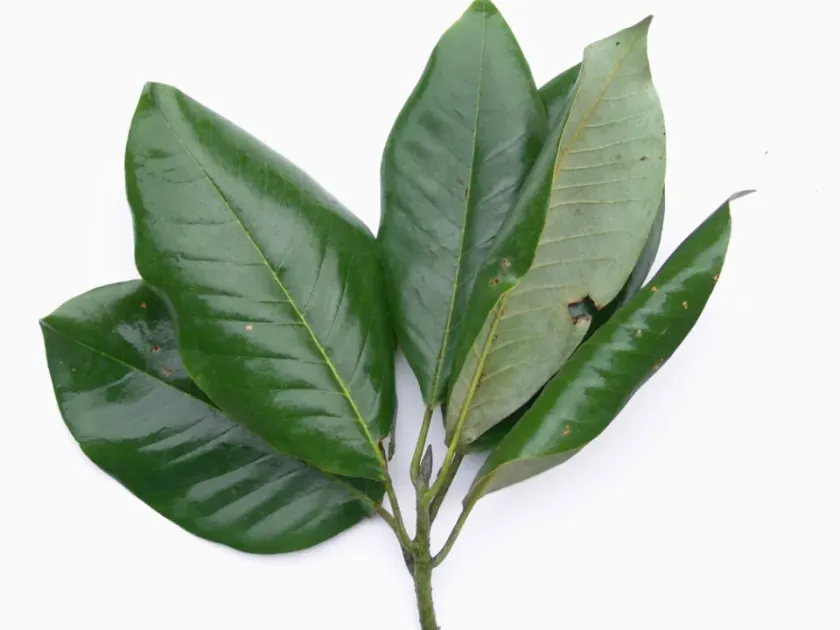
Botanically, the species is characterized as an evergreen tree possessing leathery dark green leaves and expressive flowers typical of representatives of the Magnolia genus. The height of adult specimens in natural conditions can reach significant sizes, making them dominants of the forest canopy.
The economic use of Magnolia sororum is primarily decorative and scientific in nature. It is valued by collectors of rare tropical plants for its unique crown architecture and the aesthetic qualities of its flowers, which attract pollinators in its natural habitat.
Main diseases and pests
The main threats to this species are associated with the alteration of its natural habitat, leading to a decline in wild population numbers. In cultivation, the plant can suffer from fungal diseases resulting from poor aeration and soil waterlogging.
Pests typical of tropical magnolias include scale insects and mealybugs, which suck sap from young shoots and leaves. Regular crown inspection allows for the detection of insects at early stages and minimizes damage without using aggressive chemicals.
Insufficient soil acidity often leads to leaf chlorosis, which is an indicator of impaired nutrient uptake. At the first signs of yellowing, it is necessary to adjust the substrate composition by adding chelated forms of iron.
Root rot poses the greatest danger when kept in pot culture due to excessive watering. A properly organized drainage layer in the planting container significantly reduces the risks of root system death from pathogenic fungi.
Disease prevention consists of maintaining optimal air circulation and avoiding sudden temperature jumps. Adherence to agrotechnical standards allows for maintaining the decorative appeal of the magnolia throughout the year.