
Singapore magnolia
Magnolia singapurensis
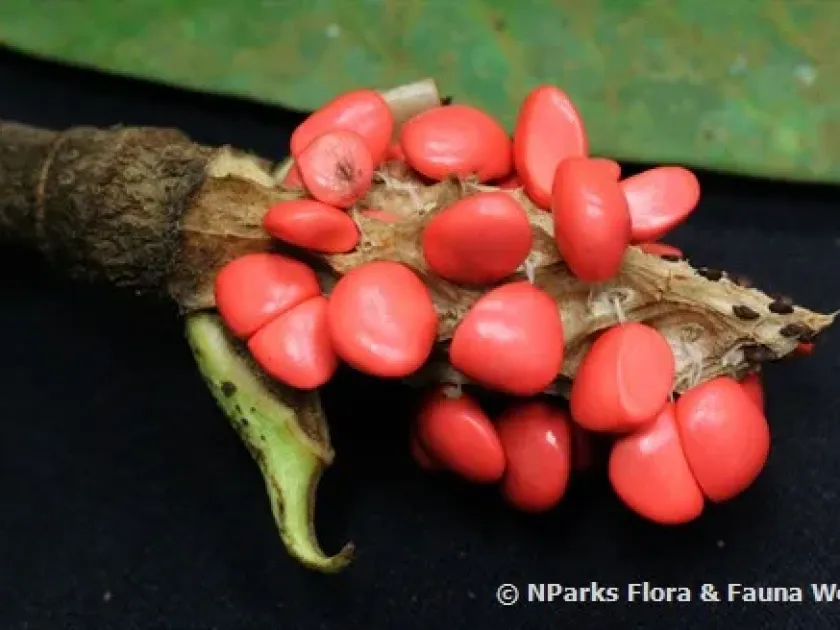
Description
Growing requirements
The Singapore magnolia (Magnolia singapurensis) is a distinct species belonging to the Magnoliaceae family, primarily native to the tropical rainforests of Southeast Asia. This species is highly regarded for its unique botanical features and evergreen nature, which makes it a prized specimen in specialized collections.
To cultivate this species successfully, one must replicate its native tropical conditions. It thrives in environments with high humidity and stable, warm temperatures throughout the year. Cold sensitivity is a major factor, as the plant cannot tolerate freezing or even significant chilling periods.
The soil requirements for the Singapore magnolia involve a well-draining, nutrient-rich substrate, preferably with a slightly acidic pH level. Creating an appropriate soil mix with peat, bark, and perlite helps ensure that oxygen reaches the roots while maintaining adequate moisture levels.
Regarding light, this magnolia species prefers dappled sunlight or partial shade. Exposure to intense, direct afternoon sun can lead to leaf scorching and dehydration, particularly in younger specimens that have not yet established a deep root system.
Maintenance involves routine watering and occasional balanced fertilization during the growing season. Because it is a slow-growing tree in many conditions, patience is required to develop a healthy, mature specimen that showcases its beautiful foliage and potential blossoms.
Main diseases and pests
Common threats to the Singapore magnolia include root rot, which typically occurs due to overwatering or inadequate soil drainage. This condition can be fatal, so maintaining a careful balance of soil moisture is vital for the health of the tree.
Pests such as scale insects and spider mites are frequent adversaries in greenhouse environments. These pests feed on sap and can cause leaf yellowing and stunted growth if not managed through regular inspections and early treatment.
Good air circulation is a primary defense against fungal diseases, including powdery mildew and leaf spots. Proper spacing and ventilation within the growing area help mitigate the risk of pathogen accumulation on the foliage.
Chemical control should be applied judiciously, using systemic insecticides or fungicides specifically labeled for ornamental tropical trees. Always test a small area of the plant first to ensure the chemical does not cause phytotoxicity.
Integrated pest management, combining physical cleaning of the leaves and biological controls, often yields the best results. Keeping the plant vigorous through consistent environmental monitoring remains the best long-term strategy against both diseases and pests.