
Magnolia sinensis
Magnolia sinensis
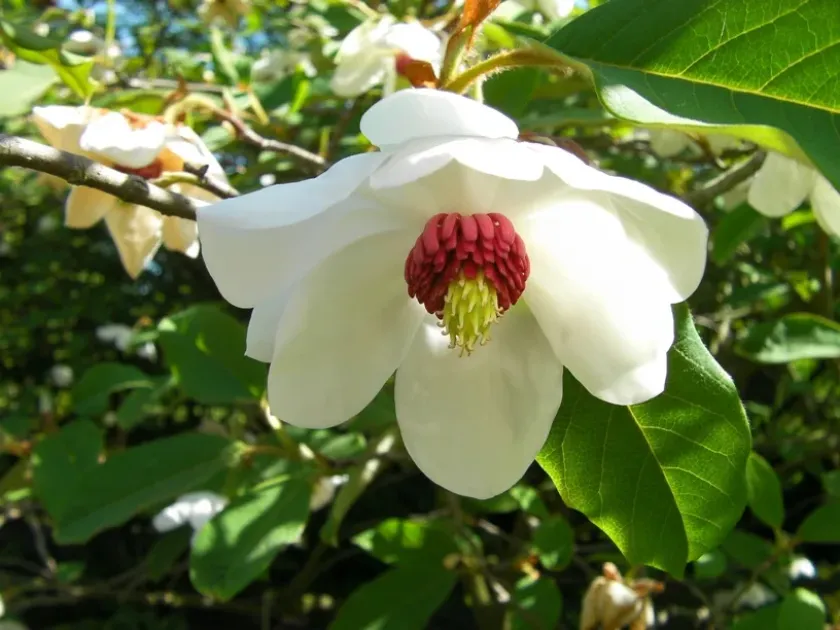
Description
Sowing dates
Propagation of Magnolia sinensis is typically performed through seeds or semi-hardwood cuttings. Seeds require mandatory stratification for 3–4 months at low positive temperatures to significantly improve germination rates.
The optimal time for sowing seeds in open ground is late autumn, allowing them to complete a natural preparation cycle in the soil. For container cultivation, sowing is best performed in early spring using a sterile substrate.
Cuttings are collected during the summer period, selecting healthy semi-hardwood stems. Successful rooting requires high atmospheric humidity and soil temperatures maintained between 20–25 degrees Celsius.
Young seedlings require shading during their first years of life, as intense direct sunlight can cause scorching of delicate leaves. Pricking out or potting up occurs in the second year after sufficient root system development.
Transplanting to a permanent location is ideally conducted in early spring before active sap flow begins. The root collar should remain at the soil surface level to prevent stem rot and encourage healthy growth.
Growing requirements
Magnolia sinensis belongs to the Magnoliaceae family and manifests as a beautiful deciduous shrub or small tree. The plant prefers sites sheltered from strong, drying winds where cold air does not accumulate.
This species is demanding regarding soil composition; it thrives best in loose, well-drained, and nutrient-rich loams with an acidic to slightly acidic pH level.
Maintaining moderate soil moisture throughout the entire growing season is a crucial requirement. Significant drying of the topsoil negatively impacts leaf aesthetics and the quality of floral displays.
Fertilization should be performed using specialized mineral complexes formulated for acid-loving plants. Applying organic mulch around the base improves soil structure and helps retain essential ground moisture.
The plant possesses moderate cold hardiness. In regions prone to harsh winters, young specimens must be covered with horticultural fleece or pine branches to protect the shoots from severe frost.
Main diseases and pests
The primary threats to the health of this magnolia include fungal diseases, such as powdery mildew and grey mold. High humidity and poor airflow within the crown significantly accelerate the spread of these pathogens.
Chlorosis, often triggered by an excess of lime in the soil, manifests as yellowing leaves with green veins. Treatment typically involves the application of chelated iron to restore leaf color.
Common pests include spider mites and scale insects, which pierce young stems to feed on sap. This damage often leads to leaf deformity and a general decline in the plant's overall vitality.
Bacterial blight can also affect the crop, causing necrotic lesions on the foliage. Affected plant parts must be removed and destroyed immediately to prevent the disease from spreading further.
Disease prevention involves regular sanitary pruning and the application of fungicide sprays in spring and autumn. Maintaining a clean area around the base helps minimize the risk of pathogen outbreaks.