
Magnolia scortechinii
Magnolia scortechinii
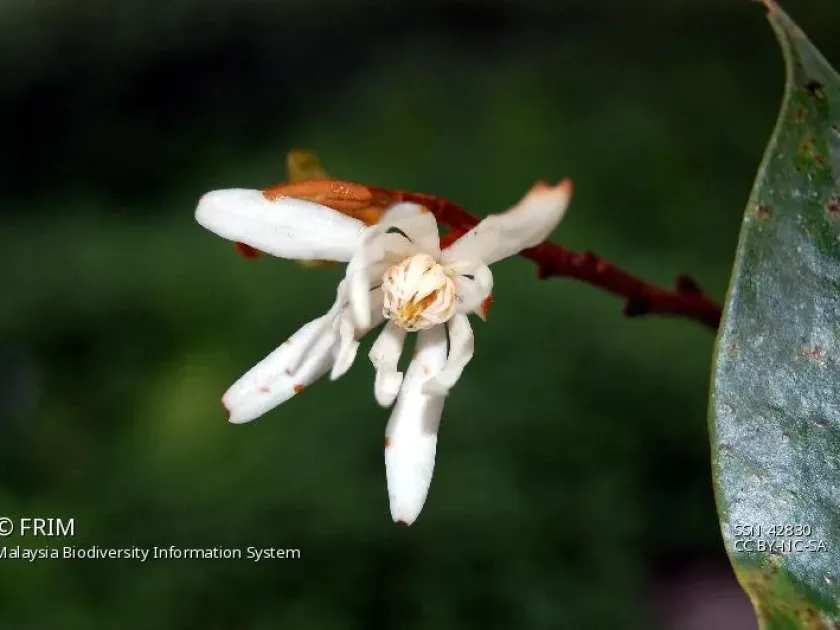
Description
Growing requirements
Magnolia scortechinii is a distinctive species within the Magnoliaceae family, native to the tropical montane forests of the Malay Peninsula. It is primarily characterized by its evergreen foliage and significant ornamental value in botanical collections.
The plant thrives in nutrient-rich, well-draining soils with high organic matter content. It requires a stable tropical environment where humidity levels remain consistently high throughout the year, which is essential for healthy leaf development.
In terms of cultivation, this species prefers filtered sunlight or semi-shaded positions. Intense direct sunlight can lead to leaf scorching, while poor light levels inhibit growth. Consistent moisture management is crucial to avoid both dehydration and waterlogging.
Agricultural practices involve the use of balanced, slow-release fertilizers applied during the active growth phase. Because of its slow growth rate, the plant requires minimal structural pruning, with most maintenance limited to removing dead or damaged woody tissue.
This species is highly valued in horticulture for its rarity and beauty. While not a large-scale agricultural crop, it is cultivated in arboretums and private tropical gardens for its unique morphological features and ecological significance.
Main diseases and pests
The primary threats to Magnolia scortechinii include various soil-borne pathogens, particularly Pythium and Phytophthora species. These fungi thrive in stagnant water conditions, often leading to rapid root rot if the drainage is inadequate.
Common insect pests include scale insects and mealybugs, which tend to congregate in the axils of the leaves. Manual removal combined with systemic insecticidal applications is often necessary to ensure the long-term health of the plant.
Environmental stress, particularly low humidity, often leads to spider mite infestations. These pests are notoriously difficult to control if conditions remain dry, making consistent misting a vital part of integrated pest management.
Nutrient deficiencies, specifically chlorosis caused by iron or magnesium imbalance, are common if the soil pH deviates from the optimal range. Regular soil testing and adjustment of the substrate acidity are recommended to prevent yellowing.
Mechanical damage to the trunk or branches can lead to secondary bacterial infections. Always use sterilized tools when performing maintenance and apply wound sealants to prevent the entry of pathogens into the vascular system of the tree.