
Beaked Magnolia
Magnolia rostrata
Description
Growing requirements
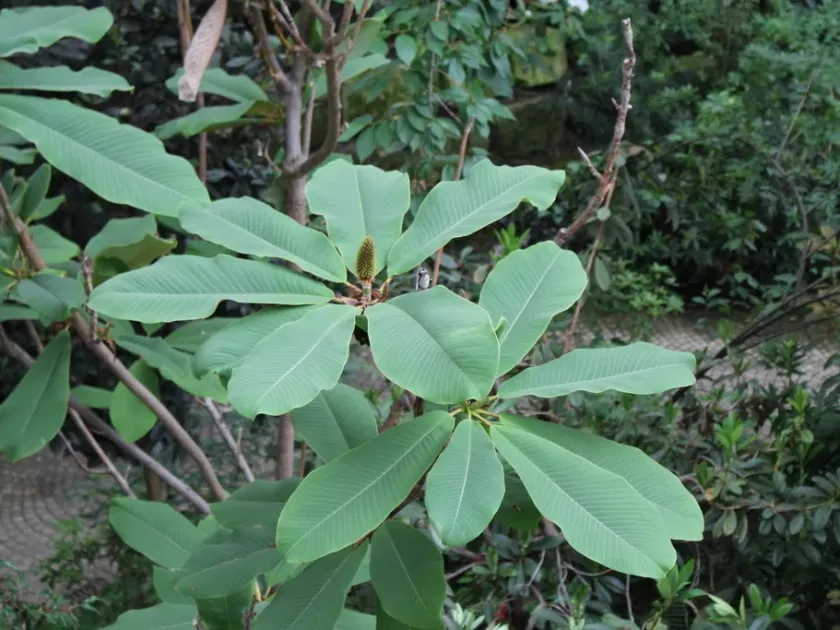
The Beaked Magnolia (Magnolia rostrata) is a distinct deciduous tree species belonging to the Magnoliaceae family. It is prized by collectors for its large foliage and its unique, beak-shaped fruit follicles.
Native to the montane forests of Southwest China and Northern Myanmar, this species thrives in humid, cool, and sheltered mountainous environments. It is considered a rare specimen in modern ornamental cultivation.
Successful cultivation requires soil that is rich in organic matter, well-draining, and slightly acidic. It performs poorly in heavy, waterlogged clays which lead to root rot and stunted development.
The species prefers a position in dappled shade or partial sun, protected from harsh, drying winds and intense mid-day heat which can scorch its large, sensitive leaves.
Due to its slow growth rate and specific environmental needs, it is primarily used in specialized botanical gardens, arboretums, and private landscape collections as a focal point specimen.
Main diseases and pests
The tree is susceptible to fungal pathogens such as leaf spot and verticillium wilt, which often manifest in environments with poor air circulation and high humidity.
Insects like scale insects and spider mites are common pests that feed on the undersides of leaves, requiring vigilant monitoring during the active growing season.
Improper soil pH levels can lead to chlorosis, manifesting as yellowing foliage, which severely hampers the plant's ability to photosynthesize effectively.
To maintain vigor, owners should apply balanced, slow-release acidic fertilizers and ensure the mulch layer does not directly touch the tree bark to prevent decay.
Regular sanitation, including the prompt removal of dead or infected branches, is essential to minimize the risk of spreading infections throughout the specimen.