
Pyramid magnolia
Magnolia pyramidata
Description
Growing requirements
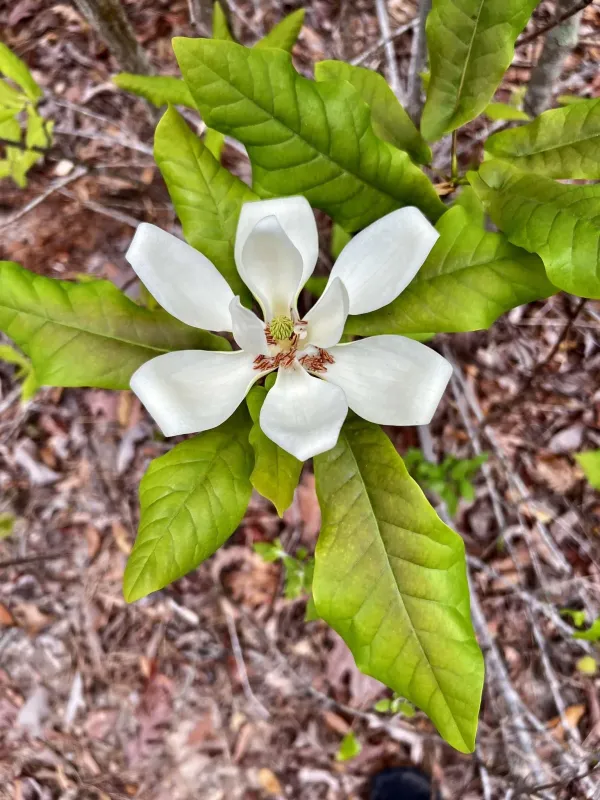
Pyramid magnolia (Magnolia pyramidata) is a deciduous tree species belonging to the Magnoliaceae family. It is a rare native plant primarily distributed across the southeastern United States, including Alabama and Florida.
The plant thrives in moist, well-drained soils rich in organic matter. Its natural habitat is typically found near streams, ravines, and sheltered woodlands where the soil acidity remains relatively high.
Climate requirements for this species are focused on regions with mild winters. While it prefers partial shade when young, mature specimens can tolerate more light, provided the root system stays cool and moist.
Horticultural management involves consistent irrigation to prevent root stress, especially during the peak growing season. Mulching is highly recommended to regulate soil temperature and retain essential moisture levels.
In terms of usage, the pyramid magnolia is highly valued in ornamental arboriculture for its distinctive, symmetrical pyramid-shaped canopy and its large, dark green foliage that provides significant visual interest.
Main diseases and pests
The species is susceptible to various fungal pathogens, such as powdery mildew, which can significantly affect leaf vitality if air circulation is inadequate.
Pests like scale insects, mites, and leaf miners can infest the tree, feeding on foliage and sap, which requires vigilant monitoring and timely intervention.
Poor drainage is a major threat to the survival of the tree, often leading to root rot and other systemic issues that are difficult to cure once established.
Maintenance should include periodic inspection of the canopy and trunk to detect early signs of infestation or disease before they spread to other parts of the plant.
Using certified organic pest control and maintaining a healthy soil environment are the best strategies to ensure the long-term health and growth of Magnolia pyramidata.