
Proctor magnolia
Magnolia proctoriana
Description
Growing requirements
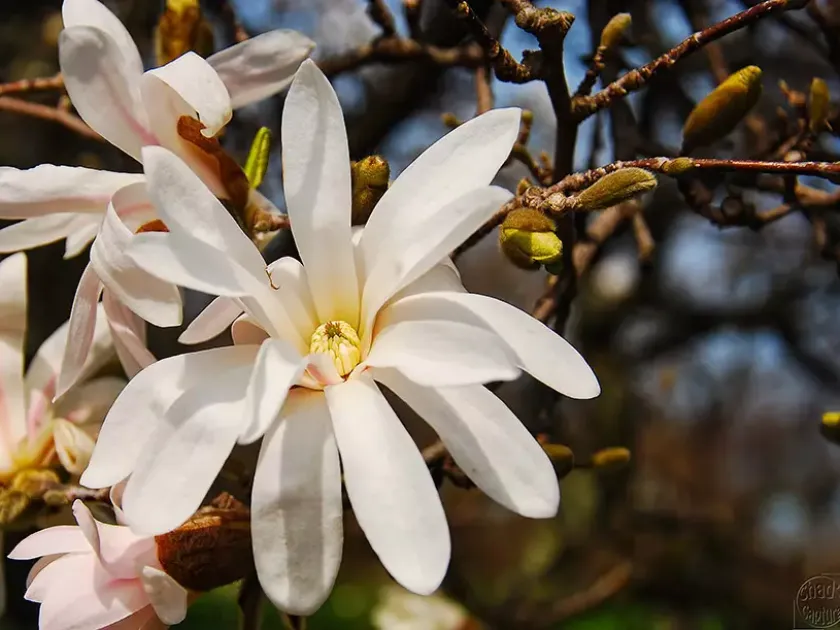
Proctor magnolia (Magnolia proctoriana) is a distinctive hybrid plant belonging to the Magnoliaceae family. It is valued by gardeners for its early blooming period and moderate size, making it a perfect choice for various landscaping projects.
The tree thrives in fertile, well-drained soil with a slightly acidic to neutral pH. It is essential to ensure that the site has excellent drainage, as the species is highly susceptible to root damage if the ground remains waterlogged for extended periods.
When selecting a planting site, look for areas that receive full sun or partial shade but are sheltered from harsh winds. This protection helps preserve the flowers during the early spring when frosts are still a possibility in many temperate regions.
Cultural practices require regular watering during the first growing seasons until the plant is well-established. Mulching with organic material, such as wood chips or pine bark, helps maintain soil moisture levels and prevents the roots from overheating in the summer.
In landscaping, this cultivar is used as a centerpiece or in mixed borders. Its historical origin as a cross between M. kobus and M. stellata contributes to its vigorous growth habit and ability to adapt to diverse garden environments.
Main diseases and pests
Common health issues include fungal leaf spots and powdery mildew, especially during rainy and humid seasons. Maintaining good spacing between plants to encourage air circulation is the best preventative strategy against these infections.
Iron chlorosis is a frequent issue in soils with high alkalinity. Symptoms involve yellowing leaves with green veins; if detected, gardeners should use chelating iron fertilizers or sulfur-based amendments to lower the pH of the surrounding soil.
Insect pests like aphids, spider mites, and scale insects can weaken the plant by feeding on the sap of young stems and foliage. Applying horticultural oils or specific insecticides is often required to manage outbreaks and restore plant vigor.
Root rot caused by Phytophthora is another risk factor associated with improper soil drainage. Ensuring that the tree is not planted too deep and that the soil structure is airy can significantly reduce the risk of this fatal condition.
Winter damage is also a factor, particularly for young trees that have not fully matured. Protecting the trunk with burlap or specialized tree wraps can prevent bark splitting and keep the tree safe from rabbits or voles searching for food in winter.