
Magnolia pacifica
Magnolia pacifica
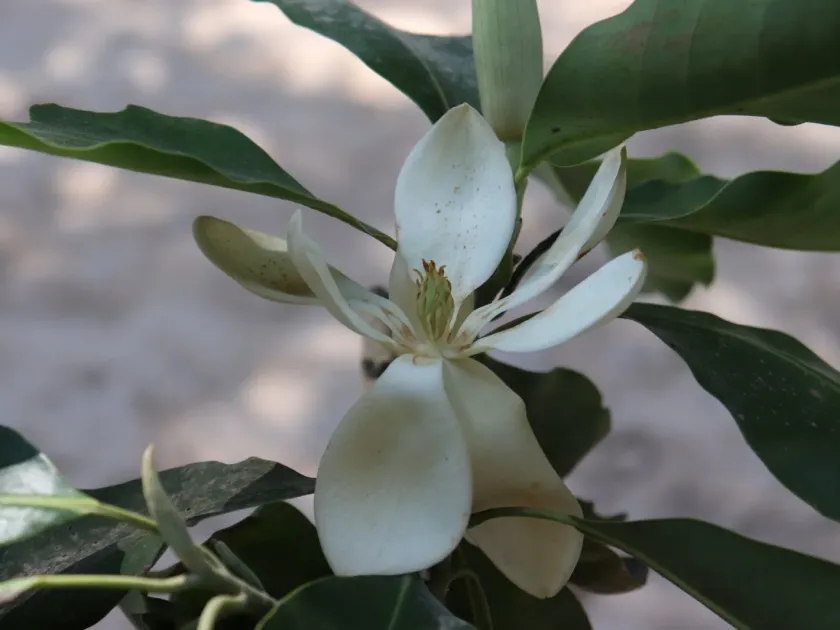
Description
Growing requirements
Magnolia pacifica is a species within the Magnoliaceae family, native to the forest ecosystems of western Mexico. This plant is recognized for its elegant structure and is highly regarded in the ornamental horticulture industry for its unique aesthetic appeal.
The plant requires well-draining, slightly acidic soil enriched with organic matter to thrive. It is essential to ensure that the planting site has excellent aeration, as stagnant water will quickly cause root rot and compromise the health of the specimen.
Climatically, this magnolia prefers temperate conditions with high humidity levels. It performs best in locations that offer protection from intense midday sunlight and strong, desiccating winds that can damage both foliage and floral buds.
Agrotechnical management includes consistent irrigation schedules, particularly during establishment phases. Mulching with organic materials such as wood chips or pine bark is highly recommended to regulate soil temperature and retain moisture levels.
In terms of хозяйственное usage, Magnolia pacifica is primarily utilized in landscaping. Its distinctive characteristics make it an excellent choice for specimen planting in botanical gardens, parks, and residential landscapes looking to incorporate tropical-themed foliage.
Main diseases and pests
Fungal pathogens such as powdery mildew represent a significant threat to Magnolia pacifica, especially in environments with poor air circulation. Regular pruning to thin the crown is a critical practice for disease mitigation.
Pests such as scale insects and aphids are common challenges. These insects extract sap from the plant, weakening its growth and potentially causing stunted development. Integrated pest management strategies are recommended for control.
Root rot, driven by Phytophthora species, remains the most severe threat when soil drainage is insufficient. Careful soil monitoring and avoiding over-irrigation are vital preventive measures for any commercial or private grower.
Nutrient deficiencies, particularly iron chlorosis, can manifest as yellowing leaves while veins remain green. Soil pH adjustments and the application of chelated micronutrients are standard corrective actions in professional agronomy.
Environmental stress, such as unseasonal frost, can severely damage the floral buds. Providing physical protection or selecting a site with favorable microclimatic conditions significantly increases the survival rate and decorative quality of the tree.