
Ovate magnolia
Magnolia ovata
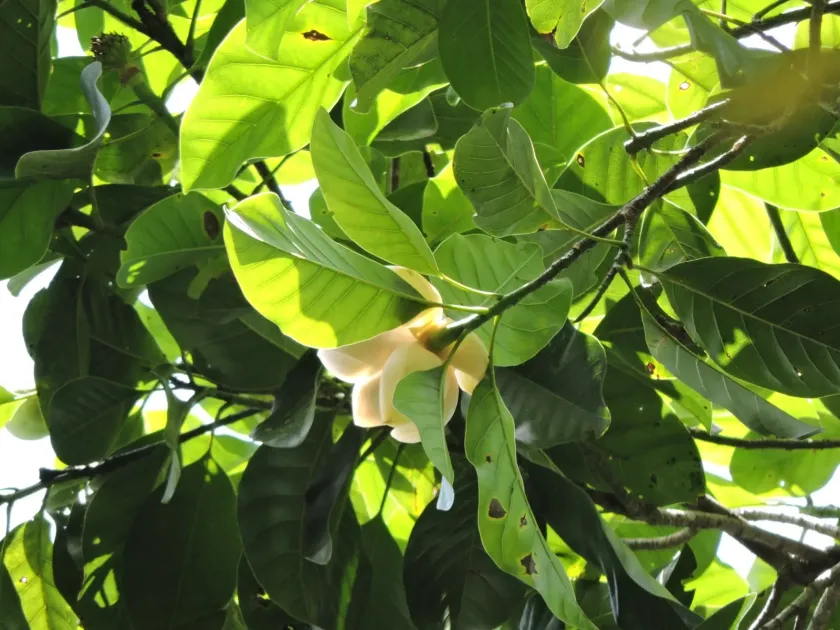
Description
Growing requirements
Magnolia ovata is an ornamental tree species belonging to the Magnoliaceae family. Native to the forests of South America, specifically Brazil, this tree has evolved to thrive in environments characterized by stable, warm temperatures and consistent atmospheric humidity.
Cultivation requires fertile, well-draining soil with an acidic to neutral pH profile. The root system is sensitive to waterlogging, necessitating a planting site with excellent drainage to prevent root rot, which is a common issue for this species when grown in heavy clay soils.
In terms of climate, Magnolia ovata is not frost-hardy and requires protection from extreme cold. It performs best in sheltered areas that provide full to partial sun, as the leaves and buds can be damaged by strong, drying winds common in more exposed garden settings.
Agronomic management involves regular irrigation during dry periods and the application of balanced organic fertilizers during the spring growth phase. Mulching is highly recommended to maintain soil moisture levels and to regulate the temperature of the root zone throughout the year.
The primary use of this species is in landscaping and botanical collections. Due to its elegant growth habit and attractive foliage, it serves as an excellent focal point in large residential gardens or as part of specialized arboretum displays in suitable temperate regions.
Main diseases and pests
Disease management is centered on fungal prevention, as leaves are susceptible to spots and mildews when air circulation is poor. Proper pruning to open up the canopy significantly reduces the risk of these pathogens taking hold in the dense foliage.
Insects like scale insects and aphids are the most common pests found on this plant. Gardeners should monitor the undersides of leaves and use horticultural oils or systemic insecticides if infestations are detected to ensure the continued vitality of the tree.