
Magnolia officinalis
Magnolia officinalis
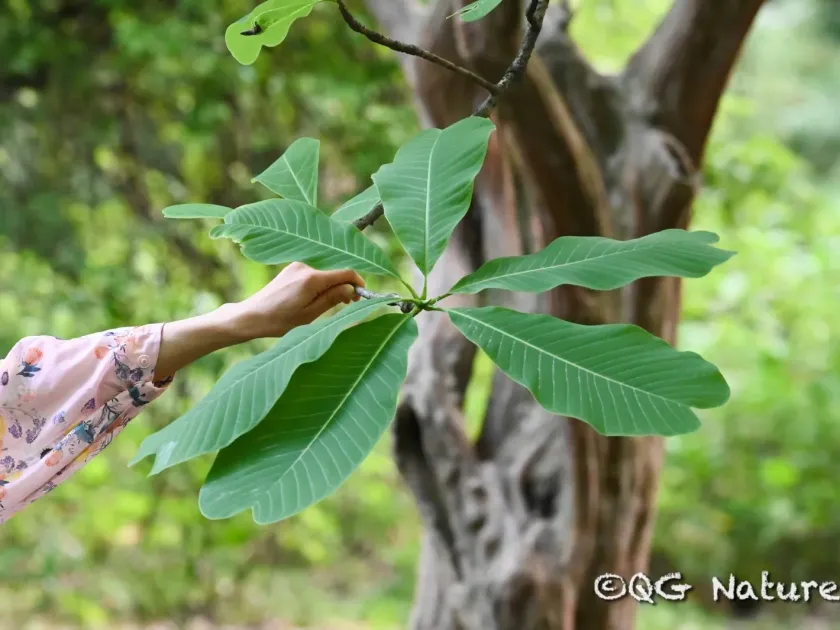
Description
Sowing dates
Magnolia officinalis propagation is primarily achieved through seeds, which require a cold stratification process to overcome dormancy. Seeds should be kept at temperatures between 0 and 5 degrees Celsius for approximately three to four months before planting.
Sowing is best performed in the spring in a well-draining, nutrient-rich soil mix. Seeds should be covered with a light layer of soil, about 1.5 to 2 centimeters deep, and kept consistently moist until germination occurs.
Vegetative propagation via semi-hardwood cuttings is an alternative method used to ensure genetic consistency. Cuttings taken in early summer and treated with rooting hormones typically develop roots within a few months when kept in a controlled, humid environment.
Seedlings are sensitive and should be kept in a protected area or greenhouse for the first two years. During this time, they require careful monitoring of soil moisture and light levels to ensure healthy stem and root development.
Transplanting to the permanent field site should be done when the plant is sturdy enough to withstand environmental conditions. Proper spacing is essential, as the mature Magnolia officinalis requires significant room to spread its canopy.
Growing requirements
Magnolia officinalis is a deciduous tree belonging to the Magnoliaceae family, native to the temperate mountain forests of China. It thrives in deep, fertile, well-draining loamy soils with a slightly acidic to neutral pH balance.
The tree prefers a humid climate with moderate rainfall throughout the growing season. It is sensitive to extreme heat and prolonged drought, so site selection near water sources or in areas with consistent atmospheric moisture is recommended.
Optimal light exposure is partial shade, especially during the juvenile stage, though mature trees can tolerate more sun. Protection from harsh, cold winds is vital, as the large leaves can be easily damaged by desiccation.
Soil fertility management includes regular application of organic matter, such as well-rotted compost, which improves structure and moisture retention. Inorganic fertilizers can be used, but caution should be exercised to prevent excessive salt buildup.
Mulching is a standard agronomic practice for this species. A thick layer of wood chips or straw around the base helps regulate soil temperature and keeps the root zone moist during the peak of summer heat.
Main diseases and pests
Common pests include aphids and scale insects, which target the underside of leaves and young stems. Integrated pest management strategies, involving both biological controls and targeted pesticide applications, are recommended.
Fungal diseases like powdery mildew are prevalent in areas with high humidity and poor air circulation. Proper pruning to open up the canopy allows for better airflow and helps mitigate the risk of infection.
Chlorosis is a frequent issue in soils with high alkalinity or poor drainage, leading to yellowing foliage. Addressing soil pH and supplementing with chelated iron are effective measures to restore healthy green leaf color.
Root rot caused by Phytophthora species is a serious risk if the soil becomes waterlogged. Ensuring that the planting site has excellent drainage and avoiding over-irrigation are key to protecting the tree's health.
Damage to the bark from environmental stressors or improper handling can lead to cankers or wood-boring insect infestations. Routine inspection of the trunk and branches is necessary to detect problems at an early stage.
Harvesting
The bark of the trunk and branches of Magnolia officinalis is the primary commodity, prized for its high content of honokiol and magnolol. Harvesting is typically conducted once trees have reached a mature stage, usually 10 to 15 years after planting.
Harvesting involves carefully stripping the bark in a way that allows the tree to recover. This is often done by removing strips or sections rather than girdling the trunk, which ensures the survival of the tree for future production.
Post-harvest processing requires rapid drying of the bark in the shade or under controlled thermal conditions. This step is crucial to prevent microbial growth and the degradation of active chemical compounds in the medicinal material.
The dried bark is stored in a cool, dry, and airtight environment to preserve its potency. The product is then sold to pharmaceutical processors, who extract the active constituents for various medicinal formulations.
Sustainable harvesting techniques emphasize rotating the areas within the plantation. By giving each section of the grove time to recover before the next harvest, producers can maintain long-term yields and plant health.