
Magnolia nitida
Magnolia nitida
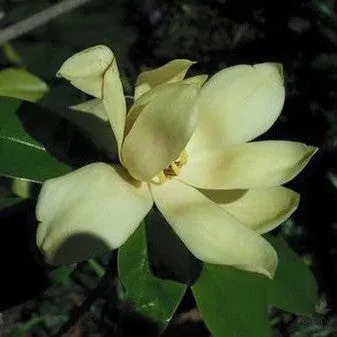
Description
Growing requirements
Magnolia nitida, commonly known as the glossy magnolia, belongs to the Magnoliaceae family. It is a distinctive evergreen species recognized for its high-gloss, leathery leaves and elegant growth habit, making it a sought-after ornamental plant for temperate gardens.
The species originates from the mountainous regions of Southwest China, specifically Yunnan province. Its native habitat in high-altitude forests suggests a preference for cool, humid conditions and a climate where dramatic seasonal temperature fluctuations are moderated by elevation.
Successful cultivation requires acidic to neutral, well-draining, and humus-rich soil. The plant is sensitive to soil compaction and waterlogging; therefore, the planting site must be carefully prepared with organic matter to ensure adequate aeration and drainage for the sensitive root system.
Magnolia nitida performs best in partial shade or sheltered positions. While it can tolerate dappled sunlight, protection from harsh, drying winds and direct afternoon sun is essential to prevent leaf scorching and to maintain the deep green, lustrous quality of the foliage.
Maintenance involves consistent moisture management, particularly during the growing season. Applying a layer of acidic mulch, such as pine bark, is recommended to regulate soil temperature and maintain the required pH level, which encourages healthy root development and overall plant vigour.
Main diseases and pests
The primary fungal threats to Magnolia nitida include leaf spot and powdery mildew. These diseases are often exacerbated by poor air circulation and high humidity, leading to aesthetic damage and potentially weakening the plant if left unchecked.
Pest issues frequently involve scale insects and spider mites. These sap-sucking pests tend to colonize the undersides of leaves and young shoots, often becoming problematic during periods of hot, dry weather if the plant is not properly hydrated.
Root rot is a critical threat typically associated with poor drainage or excessive irrigation. It manifests as a decline in vigor and chlorotic leaves, necessitating strict soil moisture control and, in severe cases, the application of systemic fungicides.
Chlorosis is a common physiological problem occurring if the soil pH becomes too alkaline. When the pH rises, the plant becomes unable to absorb essential micronutrients like iron, leading to yellowing of the leaves while the veins remain green.
Sanitation practices, such as removing fallen leaves and pruning dead or diseased wood, are vital for disease management. Maintaining good hygiene within the canopy significantly reduces the inoculum potential for recurring infections.