
Magnolia maudiae
Magnolia maudiae
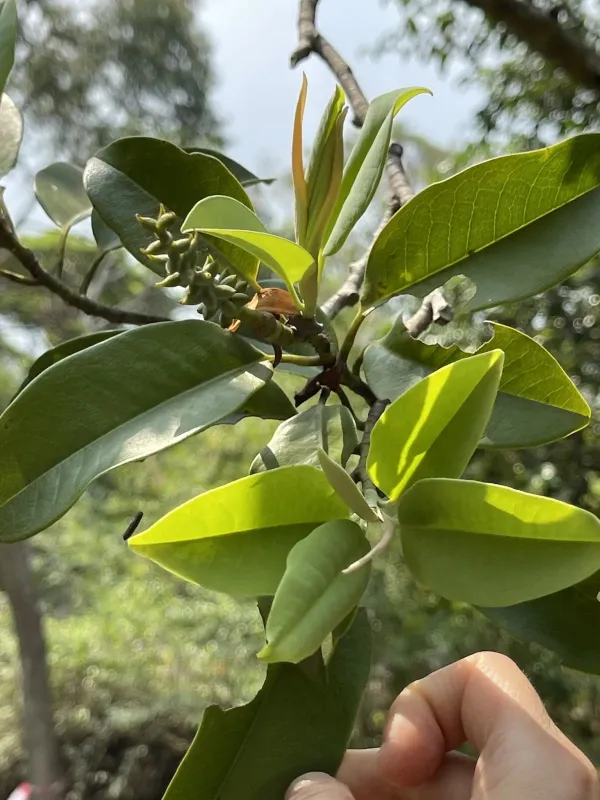
Description
Growing requirements
Magnolia maudiae is a distinguished evergreen tree belonging to the Magnoliaceae family. It is highly valued for its lush, glossy foliage and large, fragrant, snowy-white flowers that emerge during the spring season.
Native to the subtropical regions of Southern China, this species thrives in forest environments characterized by high humidity and nutrient-rich soils. It is well-adapted to warm climates but requires protection from severe frosts to maintain its evergreen leaves.
The cultivation of this magnolia requires a sheltered planting site with well-drained, slightly acidic soil. Adequate drainage is crucial, as the root system is sensitive to waterlogging, which can lead to rapid decay or root rot.
Proper agronomic care involves regular irrigation during dry spells and consistent mulching to maintain soil moisture and moderate root temperatures. Applying a balanced fertilizer during the growing season promotes vigorous foliage development.
This plant is primarily used in landscaping as a specimen tree or in formal garden arrangements. Its dense, persistent canopy provides year-round aesthetic value, making it a popular choice for parks and decorative botanical displays.
Main diseases and pests
Common health issues for Magnolia maudiae include fungal infections like leaf spot or powdery mildew, which are often exacerbated by poor air circulation or excessive moisture during humid weather.
Pest management is essential, as the tree can be susceptible to infestations of aphids, scales, or mites. Periodic inspections and the application of appropriate horticultural oils or insecticides help keep the foliage clean and healthy throughout the year.