
Magnolia maingayi
Magnolia maingayi
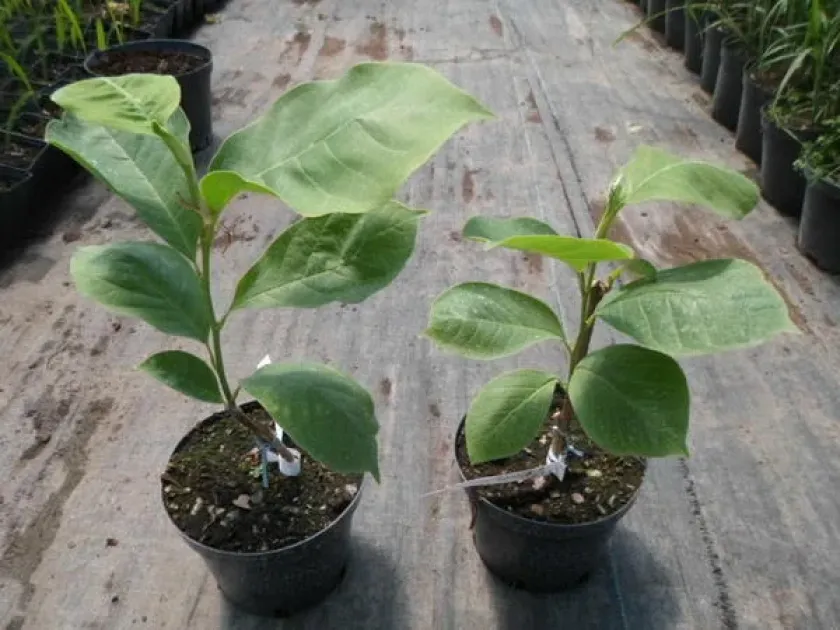
Description
Growing requirements
Magnolia maingayi is a distinct species belonging to the Magnoliaceae family, native to the tropical forests of Southeast Asia. This species is known for its elegant foliage and is considered a highly prized specimen for specialized botanical collections.
The environmental requirements for this plant are strictly tropical, necessitating high humidity and consistent warmth year-round. It is not cold-hardy, meaning it is strictly a greenhouse or conservatory plant in regions outside of its native subtropical and tropical habitats.
Soil structure should be loose, well-draining, and rich in organic matter. An acidic pH level is preferred to mimic the plant's natural forest floor environment. Proper drainage is critical, as stagnant water is a primary cause of mortality in this species due to root susceptibility.
Agrotechnical practices involve frequent misting to maintain humidity, balanced fertilization during the growing season, and careful light management. Partial shade is recommended to prevent leaf scorching while ensuring sufficient photosynthesis for healthy growth.
The primary horticultural use of this Magnolia is as a focal point in indoor botanical gardens or high-end landscape displays. Due to its rarity and specific climate needs, it remains a plant primarily for professional growers and dedicated enthusiasts.
Main diseases and pests
Fungal pathogens represent the most significant threat to the health of Magnolia maingayi, especially in poorly ventilated environments. Leaf spots and root rot are common issues that arise when moisture levels are not carefully balanced with proper airflow.
Pests such as scale insects and spider mites are frequent invaders in indoor settings. They thrive in dry air conditions and can cause significant damage to the plant's foliage if left untreated. Regular monitoring of the underside of leaves is essential for early detection.
Chemical control must be applied with caution, utilizing appropriate insecticides and fungicides that are safe for use on delicate tropical species. Integrating biological control methods, such as predatory mites, can also be an effective strategy in greenhouse cultivation.
Maintaining a clean and hygienic growing environment is crucial to minimize the risk of infection. Sterilization of tools and growing pots helps prevent the transmission of pathogens between plants within a collection.
Stress management through optimal environmental conditions is the best form of pest and disease prevention. Providing stable temperatures and correct light levels ensures the plant maintains strong natural defenses against potential biological threats.