
Bigleaf magnolia
Magnolia macrophylla
Description
Sowing dates
Propagation of Magnolia macrophylla is primarily achieved through seeds which require a period of cold stratification to break dormancy. Sowing should ideally be done in autumn or early spring under controlled conditions.
Seedlings need a well-aerated potting mix with plenty of organic matter. Maintaining consistent moisture without saturation is key to preventing the rotting of the young root system.
Vegetative propagation via softwood cuttings is a viable alternative for maintaining cultivar characteristics. These cuttings are usually taken in summer and require high humidity and bottom heat to root.
Once the saplings reach a sufficient size, they are transplanted into their permanent location. This should be timed to coincide with early spring growth to give the plant a full season to establish roots.
Care must be taken during the transplantation process as the root system is extremely sensitive to disturbance and can easily break, leading to transplant shock.
Growing requirements
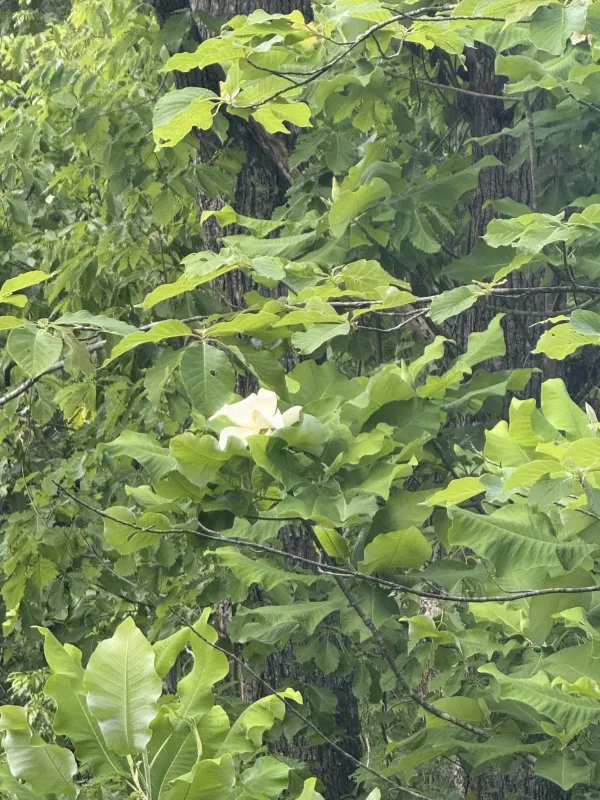
Magnolia macrophylla, belonging to the Magnoliaceae family, is famous for having the largest simple leaves of any native North American tree. Its exotic appearance makes it a prized specimen for large landscape designs.
The tree thrives in deep, rich, slightly acidic soils that are well-drained. It does not tolerate heavy clay or stagnant water, which can quickly lead to root decay and overall plant decline.
Climatic requirements focus on protection from harsh winds. Given the massive size of the leaves, wind can cause significant tearing, which detracts from the ornamental value of the tree.
Partial shade is often preferred in areas with intense summer sun, though the tree can tolerate full sun if the soil moisture is kept consistently high throughout the growing season.
Regular maintenance of the mulch layer is essential. Organic mulch helps regulate soil temperature and provides a slow release of nutrients as it decomposes over time.
Main diseases and pests
The species is generally robust but can be affected by scale insects that cluster on the branches. These pests can weaken the tree if allowed to multiply unchecked over several seasons.
Fungal leaf spots are a common issue during periods of high rainfall and stagnant air. Keeping the area under the tree clean and free of fallen debris helps reduce the spread of fungal spores.
Crown rot caused by Phytophthora species is a serious threat in waterlogged soils. Ensuring excellent drainage and avoiding deep planting are the best preventative measures against this disease.
Iron chlorosis is frequently observed in soils with high alkalinity. This deficiency is easily corrected with chelated iron soil drenches or foliar sprays during the active growing season.
- Proper air circulation within the canopy
- Consistent soil hydration
- Use of specialized horticultural oils for pests
- Sanitary pruning of dead or diseased branches