
Woolly magnolia
Magnolia lanuginosa
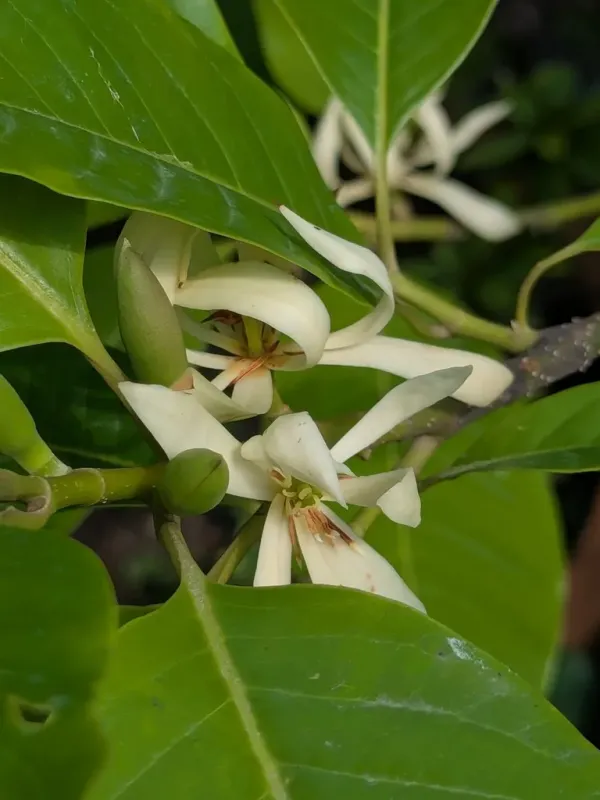
Description
Growing requirements
The woolly magnolia (Magnolia lanuginosa, formerly known as Michelia lanuginosa) is an evergreen species belonging to the Magnoliaceae family. It is native to the high-altitude regions of Asia, specifically occurring in humid forest ecosystems.
This species requires well-drained, nutrient-rich soil to thrive. Ideally, the substrate should be slightly acidic to neutral. High organic matter content is beneficial, as it promotes vigorous root development and overall plant health.
Regarding climate, the plant prefers temperate to subtropical conditions. It does not tolerate prolonged frost or extreme drought, requiring a stable environment where humidity levels are relatively consistent throughout the year.
In terms of agricultural practice, mulching the root zone is highly recommended to retain soil moisture and protect roots from temperature fluctuations. Proper spacing is also necessary to allow for adequate airflow, which is critical for preventing moisture-related issues.
The main purpose of cultivating this species is its ornamental value. Its unique, fine-textured foliage and fragrant blooms make it a prized specimen for botanical gardens and specialized landscaping projects where its growth habit can be fully appreciated.
Main diseases and pests
Powdery mildew is a common fungal threat to the woolly magnolia, typically appearing during periods of high humidity. Regular inspection of the foliage and application of appropriate fungicides can effectively manage this issue.
Pests such as spider mites and scale insects are frequent problems. These pests feed on the undersides of leaves and young stems, necessitating the use of systemic insecticides or horticultural oils to keep the population under control.
Root rot is often caused by poor drainage or overwatering. Once a plant shows signs of root stress, including yellowing leaves or wilting, irrigation must be halted, and the soil aeration should be improved to save the specimen.
Chlorosis is a frequent issue if the plant is grown in alkaline soil, as the species struggles to uptake necessary iron. Regular soil testing and the addition of iron chelates can help maintain the natural green color of the leaves.
Preventative maintenance includes keeping the area around the base of the plant free of debris, which can harbor pests or fungal spores. Proper pruning practices are also essential to ensure healthy growth and structural integrity.