
Magnolia kisopa
Magnolia kisopa
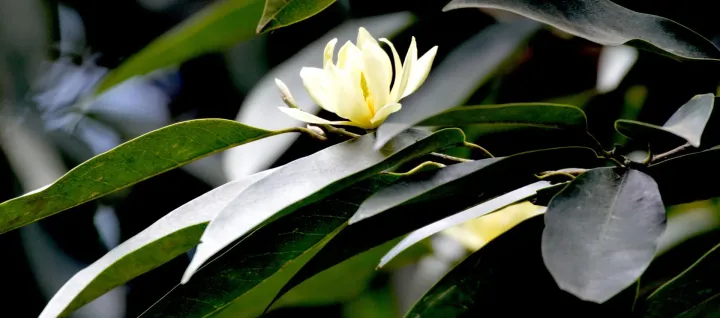
Description
Growing requirements
Magnolia kisopa is a distinct species within the Magnoliaceae family, native to the humid mountainous regions of Southeast Asia. This species is recognized for its unique biological profile, distinguishing it from more common garden varieties found in temperate regions.
The cultural requirements for Magnolia kisopa are specific to its high-altitude origins. It thrives in environments with high atmospheric humidity and requires protection from extreme temperature fluctuations, particularly harsh winter frosts or intense heatwaves.
Regarding soil conditions, this plant necessitates a well-draining, nutrient-rich substrate with an acidic to neutral pH. Proper soil structure is essential to prevent waterlogging, which is a major limiting factor for the health of Magnolia root systems.
Agricultural management of this crop involves meticulous site selection. It performs best in partially shaded areas where the foliage is protected from excessive ultraviolet exposure, ensuring the longevity and health of the ornamental tree.
The economic and practical utility of Magnolia kisopa is primarily ornamental. It is highly valued by collectors and landscape architects looking to incorporate rare, exotic specimens into high-end gardening projects and botanical research environments.
Main diseases and pests
Disease management is a critical component of maintaining Magnolia kisopa. Fungal infections, such as leaf spots and powdery mildew, are prevalent in environments where airflow is insufficient or humidity remains high for extended periods.
Pest pressures primarily include sap-sucking insects like scales and aphids. These organisms often colonize the undersides of leaves and young stems, causing wilting and reducing the photosynthetic capacity of the plant.
Integrated pest management strategies are highly recommended to mitigate these risks. This includes the removal of infested plant material and the application of horticultural oils or systemic treatments during the early stages of a pest outbreak.
Cultural practices, such as proper spacing and thinning, are vital to preventing disease spread. Ensuring that the foliage dries quickly after rainfall helps inhibit the germination of fungal spores on the leaf surfaces.
Consistent monitoring and early intervention are the cornerstones of successful cultivation. By maintaining optimal nutrient levels through balanced fertilization, the plant can develop a more robust defense mechanism against common biological stressors.