
Magnolia kewensis
Magnolia kewensis
Description
Growing requirements
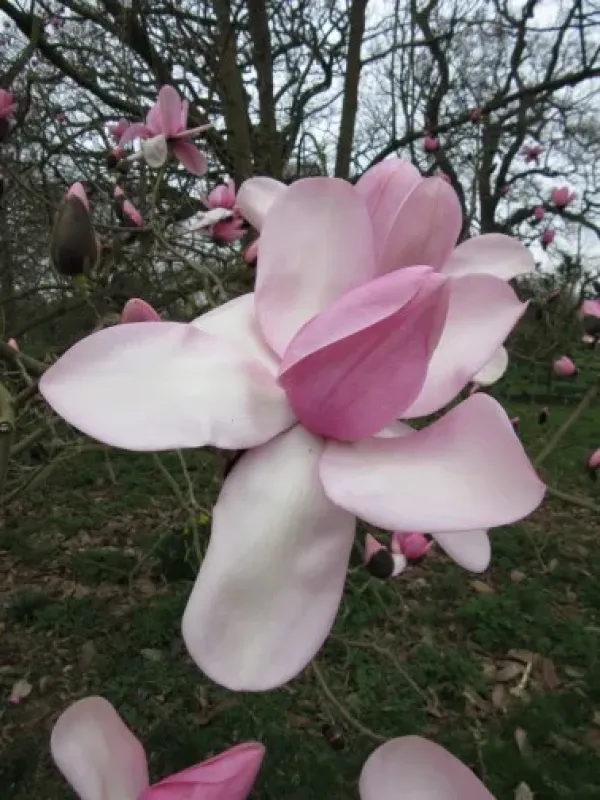
Magnolia kewensis is a distinctive hybrid belonging to the Magnoliaceae family, resulting from the crossbreeding of Magnolia kobus and Magnolia salicifolia. This plant is recognized for its elegant structural habit and its early spring flowers, which add significant value to ornamental gardening.
The culture thrives in locations that offer full sun exposure, although it benefits from light shade during the hottest part of the day in warmer climates. Protection from harsh, cold winds is essential to prevent damage to the flower buds and young foliage during the early growing season.
This species requires well-draining, nutrient-rich soil with an acidic to slightly acidic pH profile. Soils that are heavy, clay-based, or overly alkaline should be amended with organic matter like compost, peat moss, or pine bark to create a more favorable growing environment.
Consistent moisture is critical, especially during the establishment phase and periods of drought. However, the root system is sensitive to waterlogging; therefore, ensuring a porous and well-aerated soil structure is fundamental to preventing physiological stress in the plant.
Regular mulching around the root zone is highly recommended to maintain soil moisture levels and regulate temperature. This practice mimics the natural woodland environment that magnolias prefer, effectively promoting healthy root development and minimizing competition from weeds.
Main diseases and pests
Fungal infections such as powdery mildew or fungal leaf spots are the most frequent threats, particularly when environmental conditions remain damp for extended periods. Proper spacing and airflow between plants are essential cultural practices to discourage pathogen spread.
Insects like scale insects and spider mites may occasionally infest the foliage, particularly on young or stressed trees. Integrated pest management, involving the use of horticultural oils or targeted insecticides, is typically effective in controlling these populations.
Root rot is a significant risk in areas with poor drainage, which can lead to rapid decline and mortality. If signs of yellowing or wilting appear without obvious cause, examining the soil moisture levels and drainage efficiency is the first step toward diagnosis.
Mechanical damage to the trunk or branches can facilitate the entry of pathogens. When performing maintenance pruning, it is vital to use sterile tools and ensure that cuts are clean to support rapid healing and prevent wood-decay fungi from gaining a foothold.
Maintaining the overall vigor of the plant through appropriate fertilization and timely watering is the best defense against both diseases and pests. A healthy, well-nourished magnolia is inherently more resilient to environmental and biological stressors.