
Magnolia hybrid
Magnolia hybrids
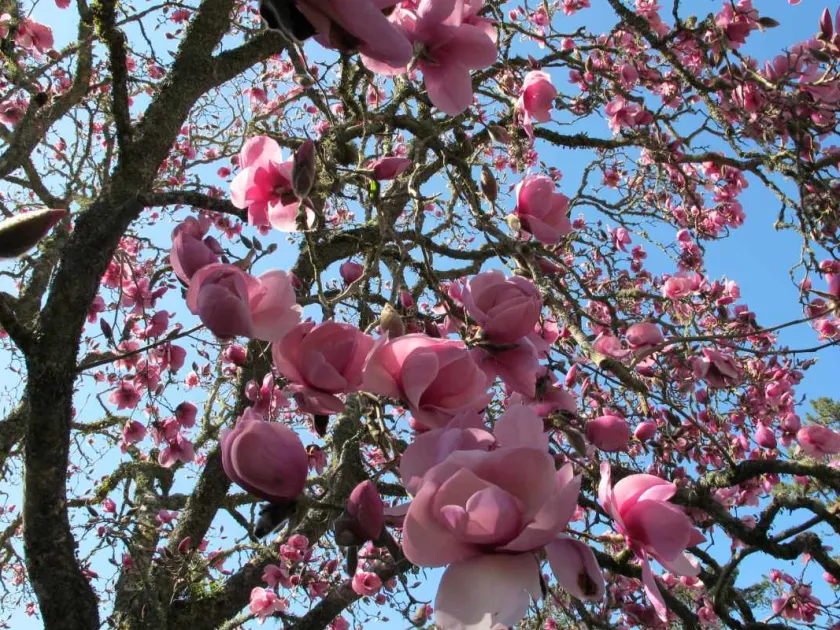
Description
Growing requirements
Magnolia hybrids are a diverse group of ornamental plants belonging to the Magnoliaceae family, created through cross-breeding to enhance flowering performance and environmental adaptation. These trees are highly valued for their early-spring displays of large, fragrant flowers.
Optimal growth requires a sheltered location with protection from harsh winds and intense afternoon sun. While they enjoy bright light, providing partial shade during the hottest part of the day prevents leaf scorch and prolongs the blooming period.
The ideal soil is nutrient-rich, well-draining, and slightly acidic to neutral in pH. Because magnolias have fleshy, shallow root systems, waterlogging is a primary cause of plant failure, making drainage a critical aspect of site preparation.
Cultural practices involve consistent irrigation throughout the growing season to maintain soil moisture, as these plants lack drought tolerance. Applying organic mulch, such as wood chips or peat, is essential to protect superficial roots from temperature fluctuations.
Propagation of these hybrids is primarily achieved through grafting or softwood cuttings. Because hybrid vigor is unstable in seeds, vegetative propagation is the only reliable method to maintain the specific traits of the desired cultivar.
Main diseases and pests
Fungal diseases are the most prevalent threats to magnolias, including powdery mildew, gray mold (Botrytis), and various leaf spot pathogens. These are often exacerbated by poor air circulation and excessive overhead moisture.
Common pests include scale insects, aphids, and spider mites, which can drain the plant's vitality and facilitate the development of sooty mold on the foliage. Monitoring for these pests during the spring and summer is vital for plant health.
Chlorosis is a common physiological issue, typically caused by alkaline soil conditions that prevent the uptake of iron. This is managed by soil acidification and the application of chelated iron supplements.
Young trees are particularly susceptible to bark damage during the winter, which can lead to structural weakness or secondary infections. Implementing protective measures, such as burlap wrapping, helps survive harsh winters.
Integrated pest management strategies are recommended, focusing on maintaining tree vigor through proper fertilization and pruning to ensure that the plant is inherently more resilient to disease pressures.