
Magnolia hookeri
Magnolia hookeri
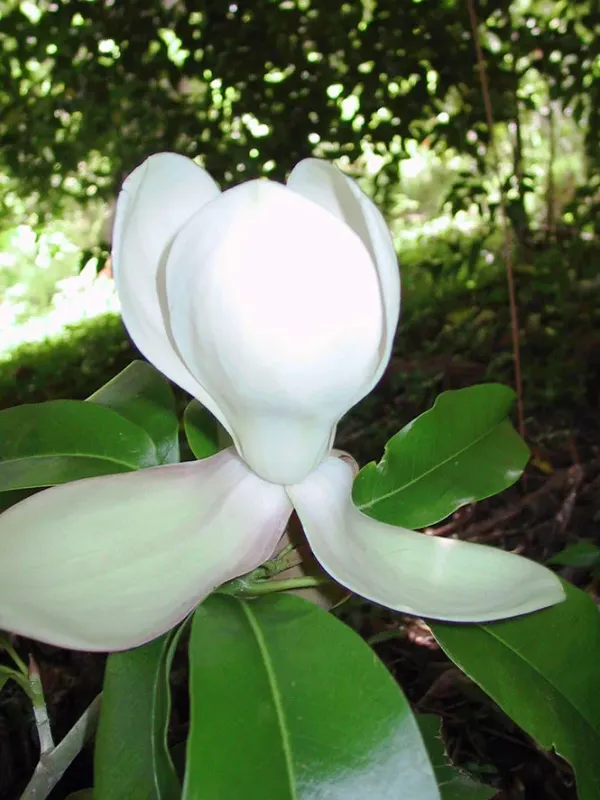
Description
Sowing dates
Magnolia hookeri belongs to the Magnoliaceae family and is highly valued in horticulture for its aesthetic qualities. Propagation of this species is typically achieved through seeds, which require specific preparation, or through grafting onto hardy rootstocks.
Seeds of Magnolia hookeri require a cold stratification period of three to four months at temperatures between 1°C and 5°C. Sowing should be carried out in spring using a well-draining, moisture-retentive substrate to ensure high germination rates.
When using cuttings, it is essential to utilize a sterile rooting medium consisting of peat and perlite. The application of rooting hormones and the maintenance of high humidity levels within a propagation chamber significantly improve the success rate of vegetative growth.
Young plants should be transplanted to their permanent outdoor location during their dormant phase, specifically in early spring or autumn. Minimizing disturbance to the root ball is critical, as magnolias are notoriously sensitive to being moved.
Careful site selection is paramount for long-term health, as mature specimens require adequate space and protection from environmental stressors to develop their natural form fully.
Growing requirements
Native to the mountainous regions of Southeast Asia, this species thrives in environments that provide consistent humidity and shelter from harsh, desiccating winds. Its natural habitat dictates the need for protected garden settings.
The plant performs best in slightly acidic to neutral soils enriched with organic matter. Proper drainage is the most critical soil requirement, as stagnant water will inevitably cause root rot and tree decline.
While Magnolia hookeri can tolerate partial shade, it requires sufficient light to ensure optimal flowering. In warmer climates, it benefits from light shade during the hottest parts of the day to prevent leaf scorch.
In regions susceptible to frost, young specimens require winter protection. Mulching the root zone with organic materials such as wood chips or compost helps regulate soil temperature and retain moisture throughout the seasons.
Fertilization with a balanced, slow-release formula designed for acid-loving plants is recommended during the peak growing season to support vigorous foliage and flower bud development.
Main diseases and pests
Common pathological issues for this magnolia include powdery mildew and fungal leaf spots, which are exacerbated by high humidity and poor airflow. Fungicide treatments should be applied at the first sign of symptoms to prevent spread.
Bacterial blight can affect new shoots and leaves, leading to dieback. Maintaining rigorous sanitation practices, such as removing affected plant material and sterilizing pruning tools, is essential for disease control.
Pests such as scale insects and spider mites frequently target the foliage and stems. Integrated pest management, including the use of horticultural oils and specific insecticides, is recommended to manage these infestations effectively.
Iron deficiency-induced chlorosis is common in soils with incorrect pH levels. Corrective measures include the application of chelated iron supplements and maintaining soil acidity to ensure nutrient availability.
Regular maintenance, including the removal of dead or crossing branches, improves crown density and prevents the accumulation of moisture, which is a major factor in reducing overall susceptibility to pests and diseases.