
Magnolia hodgsonii
Magnolia hodgsonii
Description
Growing requirements
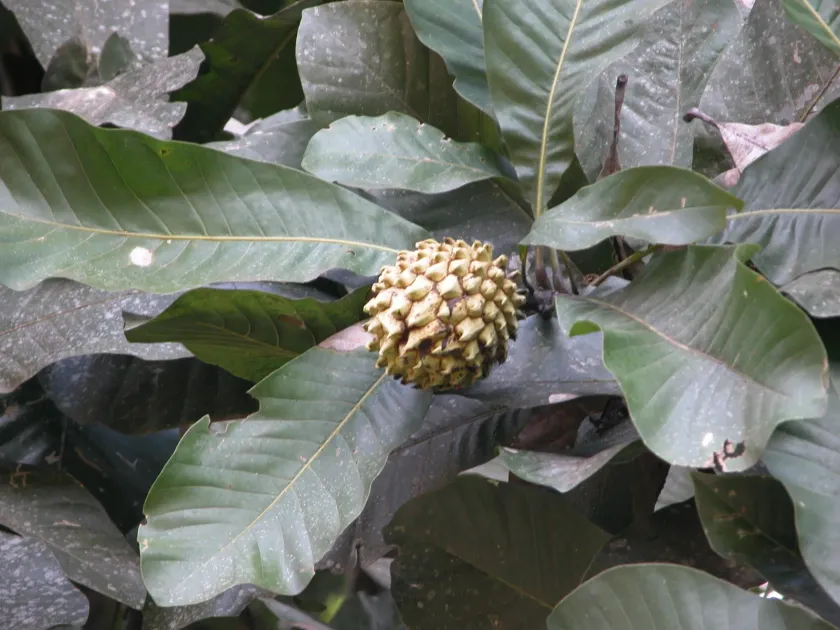
Magnolia hodgsonii, commonly known as Hodgson's magnolia, is a significant evergreen tree species within the Magnoliaceae family. Known for its impressive stature, it features large, glossy, leathery leaves and can grow into a majestic specimen in suitable environments.
This species is native to the subtropical forests of Southeast Asia, including parts of China, Myanmar, and India. It thrives in regions characterized by high atmospheric humidity and stable temperatures, reflecting its adaptation to a forest understory or canopy lifestyle.
For successful cultivation, it requires nutrient-rich, acidic to neutral soil that provides excellent drainage. Because the root system is relatively shallow, the soil must be consistently moist yet well-aerated to prevent root stress and subsequent decline.
The agrotechnical maintenance of this tree involves providing protection from harsh, dry winds which can desiccate the foliage. While young plants benefit from dappled shade, mature trees can tolerate more direct light provided the moisture requirements are met throughout the season.
Propagation is typically achieved through seeds or specialized cutting techniques conducted in nursery settings. Maintaining a layer of organic mulch around the base is essential to stabilize soil temperature and provide a steady supply of nutrients as the mulch decomposes.
Main diseases and pests
The primary threats to Magnolia hodgsonii involve fungal pathogens that thrive in high-humidity environments. Leaf spot diseases are common when air circulation within the canopy is insufficient, leading to premature foliage loss if not managed correctly.
Pests such as scale insects and spider mites frequently target the undersides of the leaves. Infestations weaken the plant by extracting sap, which often necessitates integrated pest management strategies including periodic monitoring and the use of horticultural oils.
Root rot is a critical risk factor, often exacerbated by overwatering or soil compaction. Ensuring that the site has superior drainage is the most effective preventative measure against these soil-borne fungal issues that compromise the tree's vascular system.
Nutritional deficiencies, specifically iron or magnesium chlorosis, can occur if the soil pH deviates from the optimal range. This interferes with the plant's metabolic processes and requires the application of chelated nutrients to restore leaf color and vigor.
Sanitation practices, such as removing dead wood and clearing leaf litter beneath the tree, are vital for disease prevention. By reducing the reservoir of spores and overwintering pests, growers significantly improve the long-term health of their magnolia specimens.