
Southern magnolia
Magnolia grandis
Description
Growing requirements
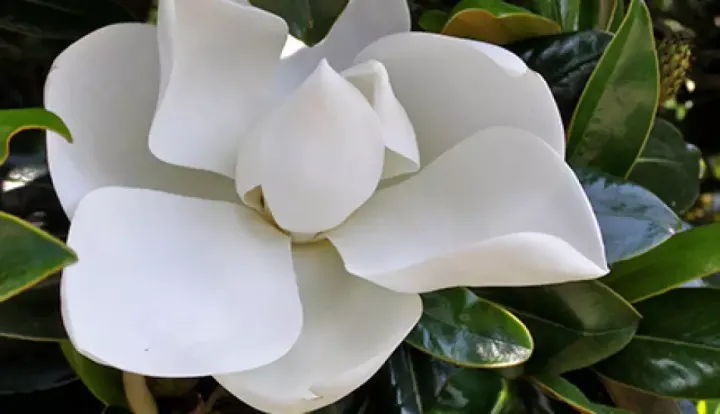
Southern magnolia (Magnolia grandiflora) is a magnificent evergreen tree within the Magnoliaceae family. It is widely recognized for its massive, glossy, dark green leaves and large, fragrant white flowers that serve as a hallmark of Southern landscapes.
Native to the southeastern United States, this species thrives in humid, subtropical climates. It prefers regions where winters are mild, as extreme frost can damage the foliage and cause dieback of young terminal branches in colder zones.
The cultural requirements prioritize deep, fertile, and slightly acidic soils. Proper drainage is essential to prevent root rot, which is the primary cause of decline in poorly managed or overwatered specimens throughout the growing season.
When selecting a site, it is best to choose a position in full sun or light shade with protection from high winds. Adequate spacing is crucial for airflow, which reduces humidity trapped within the dense foliage and prevents potential physiological stresses.
Maintenance includes applying mulch annually to retain soil moisture and stabilize root temperatures. Fertilization should be conducted in early spring using balanced fertilizers to support vigorous growth and consistent flowering capacity.
Main diseases and pests
Southern magnolia is generally robust, but it can be affected by various leaf spot diseases caused by fungi. Maintaining a dry foliage environment and proper sanitation by removing fallen debris significantly mitigates these risks.
Chlorosis represents a significant physiological challenge, often triggered by alkaline soil conditions where iron becomes unavailable for root uptake. Adjusting the pH or applying chelated iron treatments are standard corrective measures.
Scale insects are the most common pests, accumulating on the undersides of leaves and along twigs. If left untreated, they can cause yellowing and a reduction in tree vigor, requiring systematic insecticidal applications for control.
Spider mites may infest the tree during hot, dry weather. Providing adequate water and occasional canopy misting can act as a natural deterrent, while acaricides remain effective for severe infestations.
Effective management strategies should focus on plant vigor, as healthy trees are naturally more resilient to pests and diseases. Periodic monitoring for insect activity and fungal symptoms ensures long-term vitality for this ornamental species.