
Globe Magnolia
Magnolia globosa
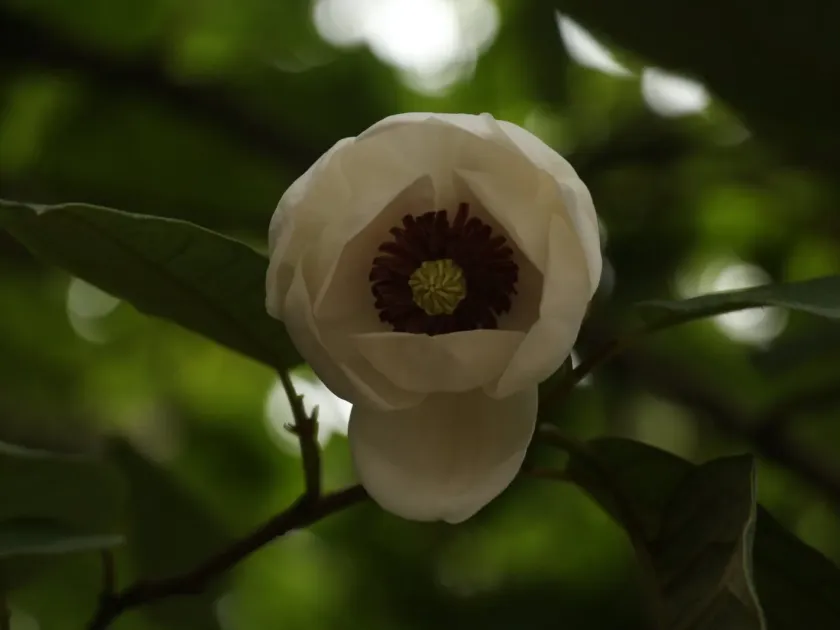
Description
Growing requirements
The Globe Magnolia (Magnolia globosa) is a deciduous shrub or small tree belonging to the family Magnoliaceae. It is native to the high-altitude forests of the Himalayas, found naturally in countries like Bhutan, India, and China at elevations reaching 3000 meters.
This species thrives in cool, humid environments with protection from strong winds and harsh midday sun. It requires deep, well-drained, humus-rich soil that maintains a slightly acidic to neutral pH for optimal nutrient uptake.
Climate requirements include moderate summer temperatures and stable soil moisture levels throughout the growing season. It is not drought-tolerant, and even short periods of moisture deficit can negatively impact foliage development and overall plant vitality.
Cultural practices include consistent mulching to keep the root system cool and prevent rapid evaporation. Pine needles, leaf mold, or aged bark are excellent mulch materials that also contribute to the long-term enrichment of the soil structure.
Fertilization should be handled with care, using slow-release fertilizers specifically designed for acid-loving shrubs. High nitrogen levels late in the season should be avoided to allow the wood to harden properly before the arrival of winter temperatures.
Main diseases and pests
Common pests affecting Magnolia globosa include aphids, scale insects, and spider mites. These pests can cause leaf yellowing and stunted growth if left unmanaged, necessitating timely application of horticultural oils or systemic insecticides.
Fungal diseases such as powdery mildew and leaf spots are prevalent in damp, stagnant air. Proper spacing and thinning of the canopy are essential to ensure adequate airflow and reduce the humidity levels that favor fungal spore germination.
Root rot is a critical threat, usually stemming from waterlogged soil conditions. Ensuring a professional-grade drainage system is paramount to prevent the colonization of the roots by pathogens like Phytophthora species.
Iron chlorosis is frequently observed when the soil pH is not properly managed. Symptoms include interveinal chlorosis, which can be corrected by applying chelated iron treatments and adjusting the soil acidity according to laboratory test results.
Winter injury can occur in regions where temperatures drop significantly below the species' comfort zone. Wrapping the trunk and protecting the root zone with heavy mulch during the first few years after planting can drastically increase the survival rate.