
Fraser magnolia
Magnolia fraseri
Description
Growing requirements
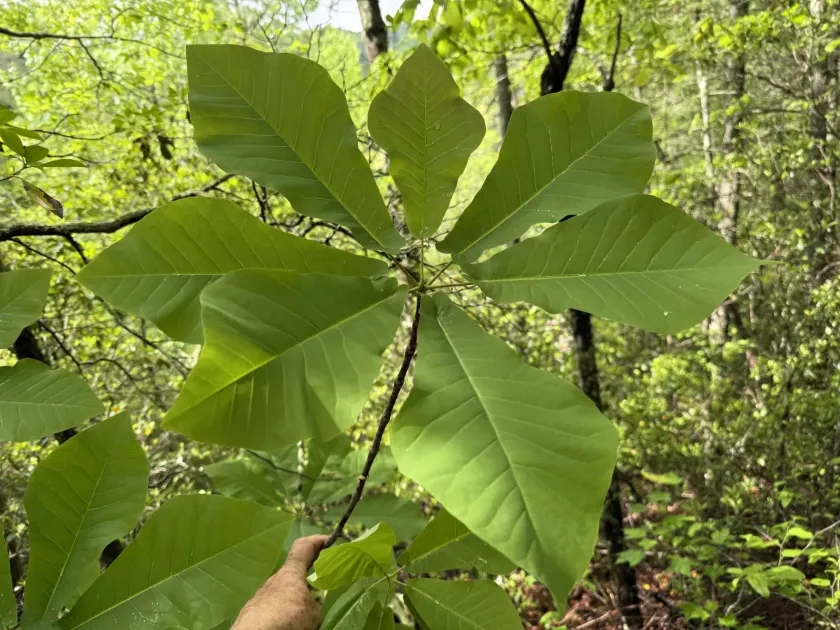
Magnolia fraseri, commonly known as the Fraser magnolia, is a member of the Magnoliaceae family. This deciduous tree is recognized for its large, auriculate leaves and impressive, fragrant flowers, making it a prized specimen in temperate climates.
Native to the Appalachian Mountains in the United States, this species thrives in rich, moist, and well-drained soils. It prefers an acidic soil environment and requires a site protected from harsh, drying winds to maintain its foliage quality throughout the growing season.
For optimal growth, the Fraser magnolia needs partial to full sun exposure, although it tolerates some shade in its native mountain habitats. Consistent soil moisture is vital, especially for younger trees, so regular irrigation during dry spells is highly recommended.
In landscaping, this tree is used as a standalone ornamental feature due to its unique architectural structure and broad leaves. It integrates well into woodland-style gardens where it can receive the necessary humidity and protection from extreme weather conditions.
Cultural care involves applying organic mulch around the root zone to suppress weeds and maintain soil temperature. Pruning should be kept to a minimum, focusing only on removing dead or crossing branches during the dormant period to maintain a natural tree shape.
Main diseases and pests
Common pests affecting this magnolia include scale insects and aphids, which feed on the sap of young branches. Monitoring the underside of leaves for signs of infestation is a standard practice for maintaining the overall health of the tree.
Fungal diseases like powdery mildew can manifest during periods of high humidity and poor air circulation. Ensuring sufficient spacing between trees and maintaining a clean area around the base helps reduce the prevalence of these fungal pathogens.
Root rot is a critical threat often caused by poorly draining soil or excessive irrigation. It is essential to ensure that the site has adequate drainage before planting to prevent waterlogging, which often leads to irreversible damage to the root system.
Leaf spot diseases can also occur, particularly in late summer. These are typically managed by removing fallen leaves in the autumn to eliminate overwintering spores and applying appropriate fungicides if the infection becomes widespread.
Maintaining vigorous plant growth through balanced nutrition and proper site selection is the best preventative measure against pest and disease outbreaks. Regular inspections allow for early detection and targeted treatment of any identified issues.