
Magnolia floribunda
Magnolia floribunda
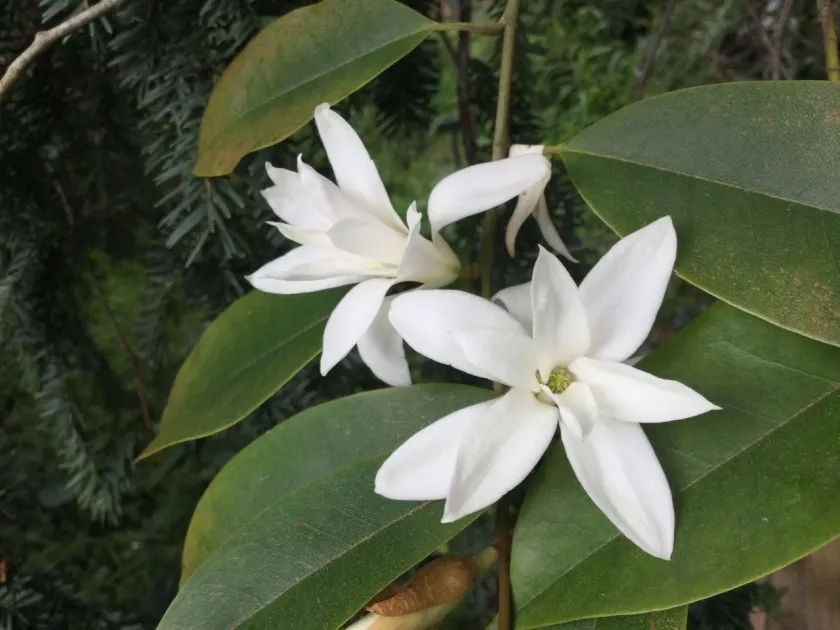
Description
Sowing dates
Magnolia floribunda is a distinguished member of the Magnoliaceae family. This evergreen species is known for its abundant flowering, requiring specific propagation techniques to ensure healthy development from the early stages.
Propagation is typically carried out via seeds that require a cold stratification period of several months. Sowing is best performed in a well-draining, acidic nursery substrate under controlled temperatures to ensure high germination rates.
Vegetative propagation through semi-hardwood cuttings is a preferred method for maintaining genetic consistency. Treating cuttings with rooting hormones and maintaining high humidity levels are essential steps for success.
Seedlings require careful handling during the transplanting process, as the root system is notably delicate. A period of nursery cultivation in containers is often recommended before the final outdoor planting.
Proper timing for sowing is essential, usually early spring, allowing the young plants to establish a robust root system before the onset of the next winter season.
Growing requirements
This species thrives in locations with partial to full sun exposure, although it requires protection from harsh winds that can damage the leaves. A sheltered garden spot is ideal for promoting optimal growth.
Soil requirements for Magnolia floribunda include a rich, humus-dense, and well-drained medium with a slightly acidic pH. Alkaline soils are detrimental and often induce iron chlorosis in the foliage.
Consistent moisture is necessary, particularly during the growing season. While the plant requires regular water, it is highly sensitive to waterlogging, necessitating excellent site drainage.
Climate adaptability is moderate, favoring temperate regions with stable temperatures. Protection against deep frosts is advisable for young specimens to prevent damage to the terminal buds and stems.
Mulching the root zone with organic materials such as pine bark or compost helps retain soil moisture and naturally enhances the acidity of the growing environment.
Main diseases and pests
Verticillium wilt is a significant threat to Magnolia species, affecting the plant's vascular system. Early diagnosis and the removal of infected branches are critical to preserving the life of the tree.
Powdery mildew may occur in damp, stagnant air conditions. Regular pruning to improve air circulation within the canopy is an effective cultural practice to mitigate this risk.
Scale insects are common pests that feed on the sap of the tree, potentially causing stunted growth and yellowing leaves. Targeted horticultural oils or systemic insecticides are recommended for control.
Spider mites can be problematic during hot, dry summer periods. Monitoring the underside of leaves for signs of infestation allows for early treatment before the damage becomes extensive.
Maintaining vigorous plant health through balanced fertilization and proper hydration remains the best defense against pests and diseases, ensuring the long-term beauty of the plant.