
Magnolia elegans
Magnolia elegans
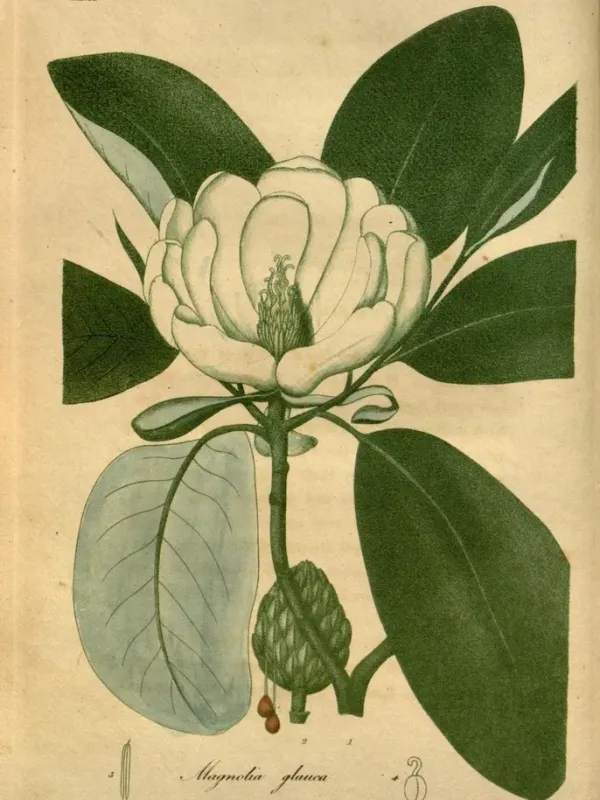
Description
Growing requirements
Magnolia elegans belongs to the Magnoliaceae family, known for its elegant foliage and exquisite flowering habit. Originating from the humid subtropics of Southeast Asia, this species requires specific environmental conditions to thrive and express its full ornamental potential.
The plant thrives in locations that offer bright, indirect light, sheltered from strong winds and intense afternoon sun. Protecting the plant from late spring frosts is crucial, as the buds are highly susceptible to cold damage which can affect the entire flowering season.
Soil quality is paramount for success; Magnolia elegans requires well-drained, slightly acidic, and humus-rich soil. It is highly intolerant of waterlogged conditions, which can lead to root rot; therefore, providing a porous soil structure is essential for healthy development.
Maintenance involves consistent moisture management and annual mulching around the root zone. Organic mulches, such as pine bark or peat, help maintain an even root temperature and moisture level while suppressing weeds that compete for nutrients.
In landscaping, this species serves as a focal point in ornamental gardens. Its slow growth habit requires patience, but the long-term aesthetic value and structure it adds to a garden make it a prized specimen for landscape architects and gardening enthusiasts alike.
Main diseases and pests
Disease challenges primarily involve fungal issues, such as powdery mildew and various leaf spot diseases. These typically occur when air circulation is poor or humidity levels remain excessively high for extended periods, stressing the plant's natural defenses.
Pests like spider mites and scale insects are common adversaries. Spider mites flourish in hot, dry conditions, while scale insects can cause stunted growth by feeding on the sap of young branches, often leading to secondary fungal growth on honeydew.
Proactive disease management starts with proper pruning practices. Removing dead or overlapping branches improves airflow within the canopy, which significantly reduces the risk of fungal infections and creates a healthier environment for the plant.
Insect control requires monitoring for early signs of infestation. In case of localized attacks, manual removal or the application of horticultural oils is often sufficient; however, severe infestations may necessitate the use of targeted systemic insecticides.
Addressing soil pH imbalances is critical, as iron deficiency (chlorosis) often manifests as yellowing leaves in high-pH soils. Regular soil testing and the addition of chelated iron can effectively correct this condition and restore the plant's deep green foliage.