
Magnolia dodecapetala
Magnolia dodecapetala
Description
Growing requirements
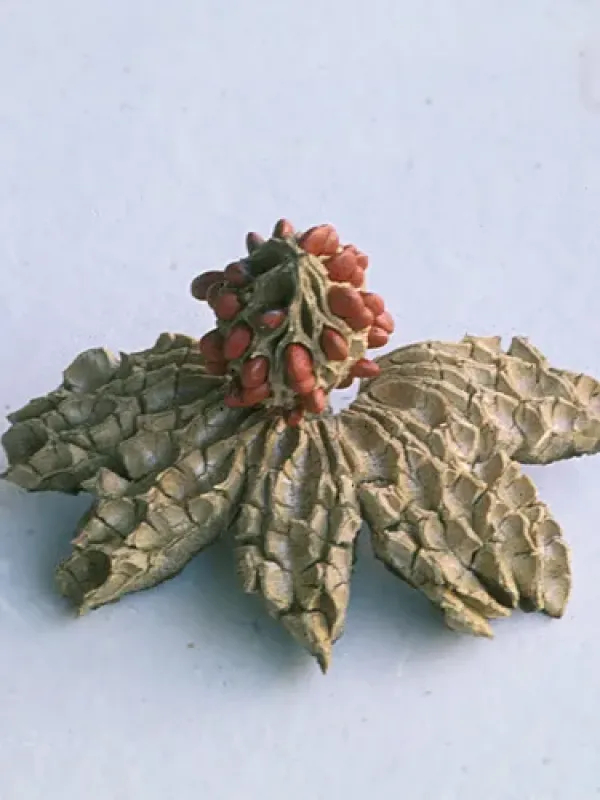
Magnolia dodecapetala is a unique member of the Magnoliaceae family. Originally native to the Caribbean region, specifically Martinique, this species is noted for its specific floral architecture.
The plant thrives in warm, tropical, or subtropical environments. It requires protection from strong winds and prefers locations that offer high humidity and stable temperatures throughout the growing season.
Soil requirements include well-drained, nutrient-rich substrates with a slightly acidic to neutral pH level. Proper aeration of the soil is critical to prevent root system suffocation and decay.
Botanically, the plant is characterized by its twelve-petaled flowers, which serve as a primary identification mark. Its foliage is evergreen, leathery, and dark green, providing a lush appearance suitable for landscape use.
Cultural practices involve maintaining a moist root environment through mulch application. Consistent watering is essential, especially during dry spells, while ensuring that the root zone remains free from standing water.
Main diseases and pests
Common botanical threats include fungal infections such as powdery mildew and various leaf spot diseases, typically appearing in overcrowded or poorly ventilated plantings.
Root rot, often caused by Phytophthora species, remains the most significant threat to the overall health of the tree. Ensuring excellent drainage is the primary defense strategy against this issue.
Pests including aphids and scale insects are known to infest the plant. Early detection and treatment with insecticidal soaps or systemic treatments help maintain the vitality of the specimen.
Spider mites may become problematic in dry conditions, causing the foliage to lose its luster and turn yellow. Increasing ambient humidity or using acaricides can mitigate this infestation.
Regular monitoring of plant health, including the removal of dead or dying twigs, is essential to minimize the spread of secondary infections and pests throughout the plant structure.