
Magnolia delavayi
Magnolia delavayi
Description
Growing requirements
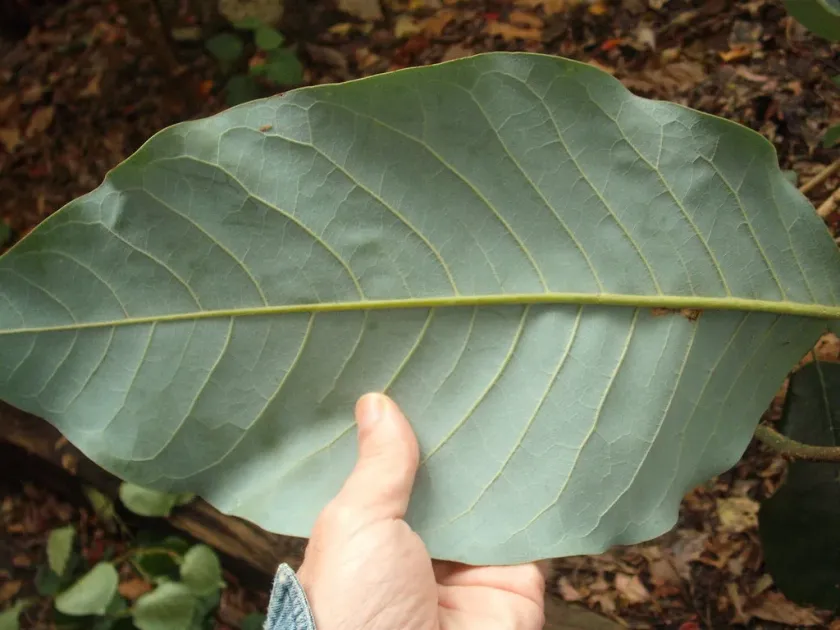
Magnolia delavayi is a distinctive evergreen tree species belonging to the Magnoliaceae family. It is widely recognized for its large, leathery, elliptical leaves and fragrant, creamy-white flowers that emerge during the warmer growing season, creating a significant visual impact.
The native habitat of this plant is located in the mountainous regions of southwest China. Because of its origin, it thrives best in environments that mimic these high-altitude conditions, preferring mild, temperate climates with protection from harsh, drying winds.
For successful cultivation, it is essential to provide deep, well-draining soil that is rich in organic matter. While the species appreciates consistent moisture, it is highly sensitive to waterlogged conditions, which can lead to rapid root degradation.
The primary horticultural use for Magnolia delavayi is as an ornamental specimen in botanical gardens or large landscapes. Its impressive stature and year-round foliage make it an excellent focal point, particularly in gardens where it can be sheltered from extreme temperature fluctuations.
Agronomic practices for this species should focus on consistent mulching to maintain soil moisture and moderate root temperatures. Regular, light pruning is recommended to maintain the structural integrity of the canopy and to promote healthy air circulation throughout the tree.
Main diseases and pests
Fungal pathogens represent the most common threat to Magnolia delavayi, often manifesting as leaf spots or mildew when the humidity remains too high and the foliage does not have sufficient time to dry out.
Pests such as scale insects and aphids may colonize the stems and undersides of leaves, especially on younger or stressed trees, leading to stunted growth and the production of unsightly honeydew.
Root health is paramount, and poor soil drainage can invite various root-rotting organisms, which may cause sudden wilting and eventual plant failure if the growing conditions are not promptly rectified.
Nutrient imbalances, particularly high pH levels, often lead to iron chlorosis, a condition where the foliage loses its deep green color and becomes yellow, reducing the overall photosynthetic capacity of the tree.
Preventative care is essential, including the use of balanced, acidic fertilizers and regular monitoring of the tree for early signs of infestation, ensuring that any necessary treatment is applied early in the season.