
Magnolia dealbata
Magnolia dealbata
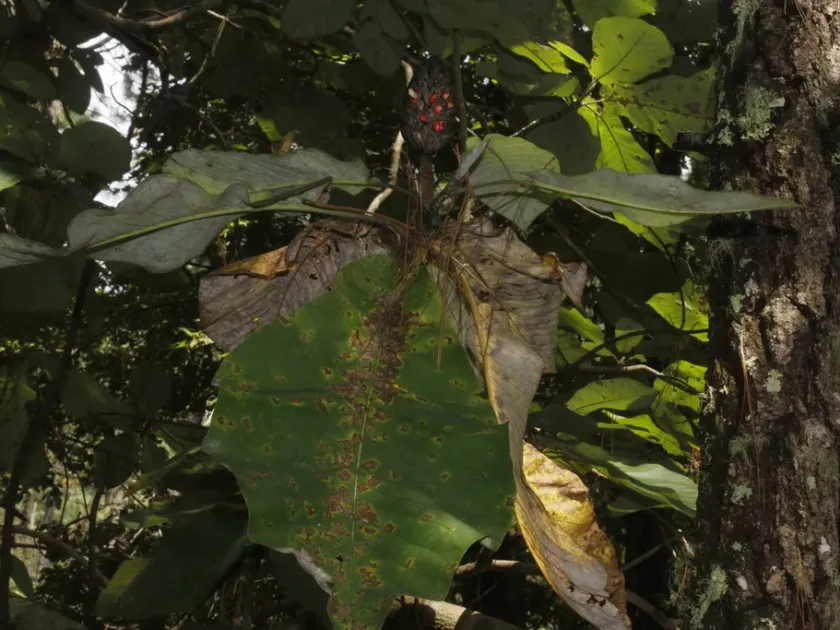
Description
Growing requirements
Magnolia dealbata is a distinct species within the Magnoliaceae family, native to the cloud forests of Mexico. As a botanical specimen, it is highly prized for its large, impressive leaves with a silvery-white underside and its characteristic architectural habit.
The cultivation of this species requires a sheltered location with partial shade to mimic its natural understory environment. It thrives in rich, well-draining, slightly acidic to neutral soils that retain adequate moisture without becoming waterlogged.
Climate adaptability is a critical factor for Magnolia dealbata. It prefers regions with stable, moderate temperatures and high humidity. In cooler climates, providing winter protection for young trees is essential to prevent frost damage to the bark and buds.
Soil management involves consistent organic mulching to protect roots and maintain moisture levels. Proper drainage is non-negotiable, as the roots are sensitive to anaerobic conditions that lead to rot and plant decline.
The horticultural application of Magnolia dealbata is primarily focused on aesthetic landscaping. Its unique aesthetic qualities make it an excellent choice for specimen planting in botanical gardens and private arboretums where its beauty can be fully displayed.
Main diseases and pests
Fungal pathogens such as leaf spot and anthracnose are among the primary threats to Magnolia dealbata. These diseases often emerge in stagnant, overly humid conditions where air circulation is restricted around the foliage.
Pests, specifically spider mites and scale insects, frequently target this magnolia. These pests can significantly impair the tree's vitality, especially during hot and dry summer months when the plant is under additional stress.
Sanitation is a critical element of disease management. Pruning dead or diseased branches improves airflow through the canopy, significantly reducing the probability of fungal colonization and development.
Integrated pest management strategies should be employed to mitigate damage. This includes early identification of pest colonies, localized treatment with horticultural oils or systemics, and promoting natural predator habitats.
Balanced nutrition, particularly through controlled-release fertilizers, helps maintain a robust plant immune system. A healthy, well-nourished tree is naturally better equipped to survive minor pest outbreaks without significant canopy loss.