
Magnolia compressa
Magnolia compressa
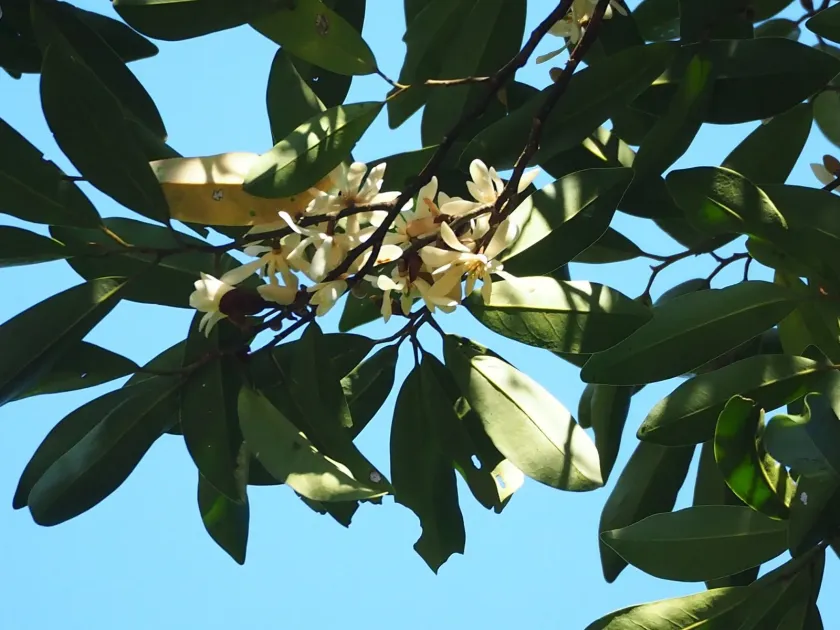
Description
Growing requirements
Magnolia compressa is an evergreen shrub or small tree belonging to the Magnoliaceae family. It is valued in horticulture for its dense, glossy foliage and elegant growth habit.
Native to East Asia, specifically regions within Japan and China, this species thrives in humid, subtropical environments where the winters are mild and rarely freezing.
Successful cultivation requires soil that is rich in organic matter and slightly acidic. Good drainage is essential, as the roots are highly susceptible to rot in waterlogged conditions.
This species prefers partial shade, especially when young, as direct and intense sunlight can scorch the leaves. Consistent moisture levels in the soil are key to maintaining plant health.
In landscaping, Magnolia compressa is used as an ornamental specimen, often placed in sheltered garden areas or botanical conservatories to provide year-round greenery.
Main diseases and pests
The primary fungal threats to Magnolia compressa include leaf spot diseases and powdery mildew, which flourish in environments with poor air circulation and high humidity.
Root rot caused by Phytophthora or other soil-borne pathogens is a common issue when the drainage of the planting site is inadequate or when overwatering occurs.
Insect pests such as scale insects and mealybugs frequently target the stems and the undersides of leaves, weakening the plant by extracting essential sap.
Spider mites can become a significant issue during hot and dry periods, causing yellowing and webbing on the foliage, which diminishes the plant's aesthetic value.
Integrated pest management, including pruning to improve airflow and the use of horticultural oils or fungicides, is recommended to ensure the longevity of the plant.