
Magnolia coco
Magnolia coco
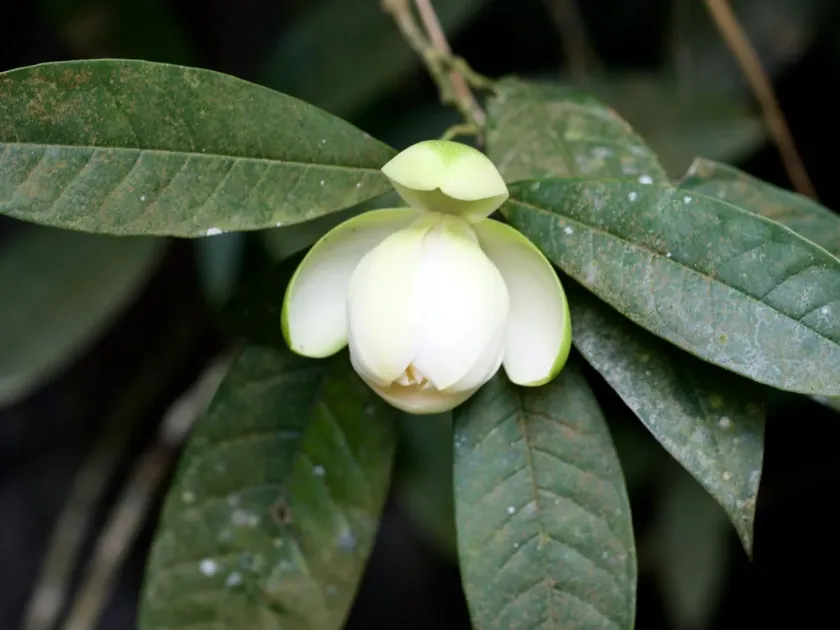
Description
Growing requirements
Magnolia coco is a member of the Magnoliaceae family and is recognized for its unique, fragrant, coconut-scented flowers. This evergreen shrub is native to the warm, humid regions of China, Vietnam, and other parts of Southeast Asia.
The plant thrives in partial shade conditions, mimicking the forest understory of its natural habitat. Direct, intense sunlight can lead to leaf scorching, especially during the hottest hours of the summer season.
Cultivation requires well-draining, slightly acidic soil enriched with organic matter. In commercial or landscape settings, soil testing is recommended to ensure the pH remains within the ideal range for nutrient uptake.
Humidity is a crucial factor for the growth of Magnolia coco. It requires consistent moisture, and gardeners should avoid letting the root system dry out completely during the growing season.
While the plant is hardy in tropical and subtropical zones, it is not frost-tolerant. In cooler climates, it must be grown in containers that can be relocated to a greenhouse or sheltered indoor space during winter months.
Main diseases and pests
Common pests affecting Magnolia coco include scale insects and mealybugs. These sap-sucking pests can weaken the plant and promote the growth of sooty mold, which impairs photosynthesis on the leaf surface.
Root rot, often caused by poor drainage or overwatering, is a primary pathological threat. Maintaining an open, porous soil structure is the best preventative measure against soil-borne pathogens.
Spider mites can be a nuisance in low-humidity environments, particularly in greenhouses. Regular inspection of the undersides of leaves is advised for early detection and mitigation of infestation.
Fungal infections, such as powdery mildew, may occur if the plant is grown in areas with insufficient air circulation. Thinning out overcrowded foliage can help increase airflow and reduce the risk of disease.
Integrated pest management, including the use of horticultural oils and systemic insecticides, is effective for controlling chronic pest issues in greenhouse or nursery production environments.